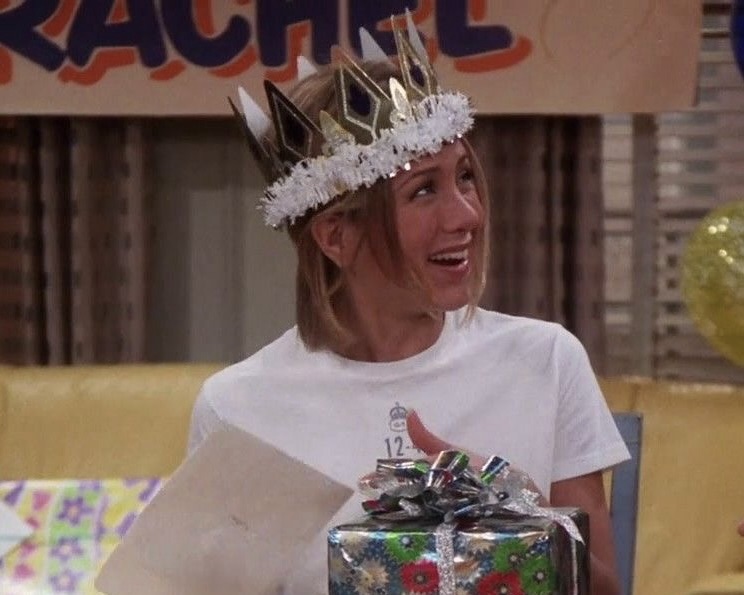
Every birthday, there is usually a moment when we stop and think about the number. Maybe we celebrate it, avoid saying it out loud, or joke that we still feel much younger than we actually are. But there is another way to mark the passage of time: with a song.
For some of us, birthdays come with a soundtrack. I have a tradition of choosing a song that represents the age I am turning. At 22, it had to be Taylor Swift’s 22. At 24, it was sundial’s song 24. Neither song was written to become a personal birthday ritual, yet somehow, they made the number feel like a chapter with its own identity.
That might be one of pop music’s most underrated powers: giving us a way to hear time.
Taylor Swift’s 22 turned an age into a feeling. The song is playful, messy, optimistic, and almost deliberately unconcerned with having everything figured out. Compare that with sundial’s 24,which approaches the same milestone from a completely different place, questioning whether we should already have our lives together. Two numbers, two songs, two completely different versions of growing up.
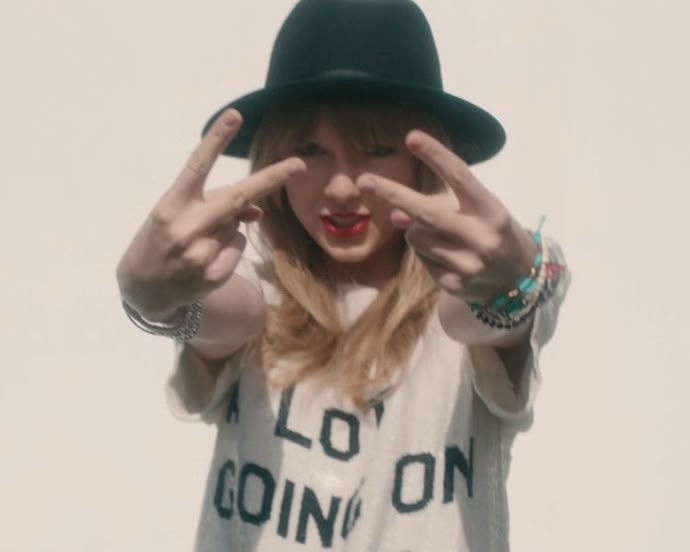
And pop music has been doing this for decades. There is 17 by Avril Lavigne and Seventeen by Alessia Cara, SZA’s 20 Something, and countless songs that attach an emotion to a specific moment in our lives. They remind us that growing up is rarely as linear as the numbers suggest. Turning 18 does not automatically make you an adult. Turning 25 does not suddenly make you know what you are doing. Sometimes, the number changes long before we feel ready to change with it.
That is why some of the songs that stay with us are not necessarily about our exact age. Lorde’s Ribs,for example, captures the strange realization that youth is temporary. Billie Eilish’s Getting Older approaches adulthood from an entirely different perspective, reflecting on what it means to become someone new while carrying every previous version of yourself along the way.
Maybe that is why we return to these songs years later. The music stays the same, but we don’t.
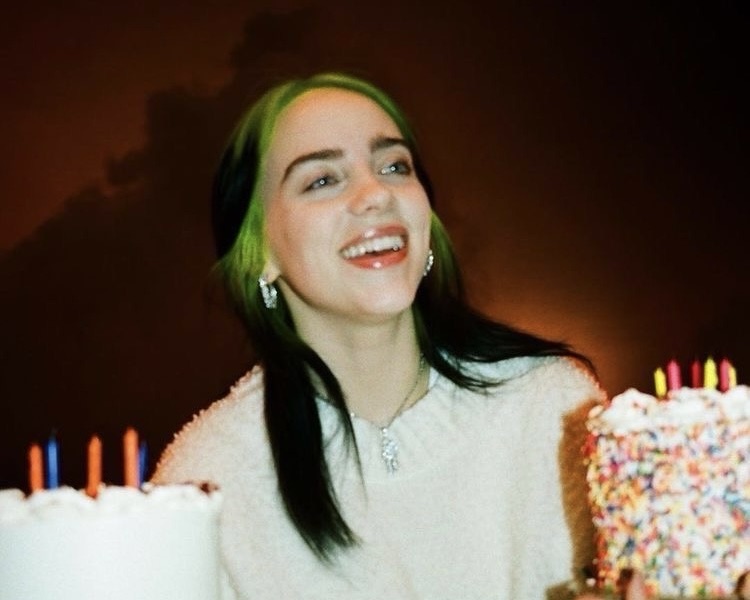
A song we listened to at 17 can sound completely different at 25. A lyric that once felt romantic might suddenly feel heartbreaking. A song that used to represent freedom might remind us of a version of ourselves we have outgrown. The soundtrack remains frozen while we keep moving.
And sometimes, growing older means realizing that the things we once thought we needed to have figured out were never deadlines in the first place. Taylor Swift’s Nothing New captures that anxiety from another angle: the fear that time might make us less interesting, less relevant, or somehow less worthy. It is a reminder that growing up can come with expectations that have nothing to do with who we actually want to become.
Perhaps that is why birthdays make us sentimental. We are not only celebrating another year; we are saying goodbye to a version of ourselves we will never be again.
The cake will disappear, the pictures will eventually become memories, and the number will change again next year. But the song will remain.
And years from now, when it plays unexpectedly, we might remember exactly who we were when we chose it – and realize that, for a few minutes, we can hear that version of ourselves again.
 ROARA Magazine