
There was a time when becoming an icon seemed to require something that pop culture today rarely has: time.
A song could become a classic years after its release. An outfit could become a reference long after the red carpet was over. An artist could spend decades building a career before anyone could confidently call her an icon. Today, however, it can take only a few hours for the internet to declare a performance, a look, or even a three-second clip “iconic.”
And maybe that is what is strange about the word. If everything is iconic, what does it actually mean to be an icon?
Social media has changed the way we experience pop culture. We no longer have to wait to understand whether something mattered; we are constantly being told that it matters while it is happening. A song drops, a performance becomes a meme, fans recreate a look, and suddenly the moment has been given its cultural verdict. Before we even know whether we will remember it next year, we have already called it unforgettable.
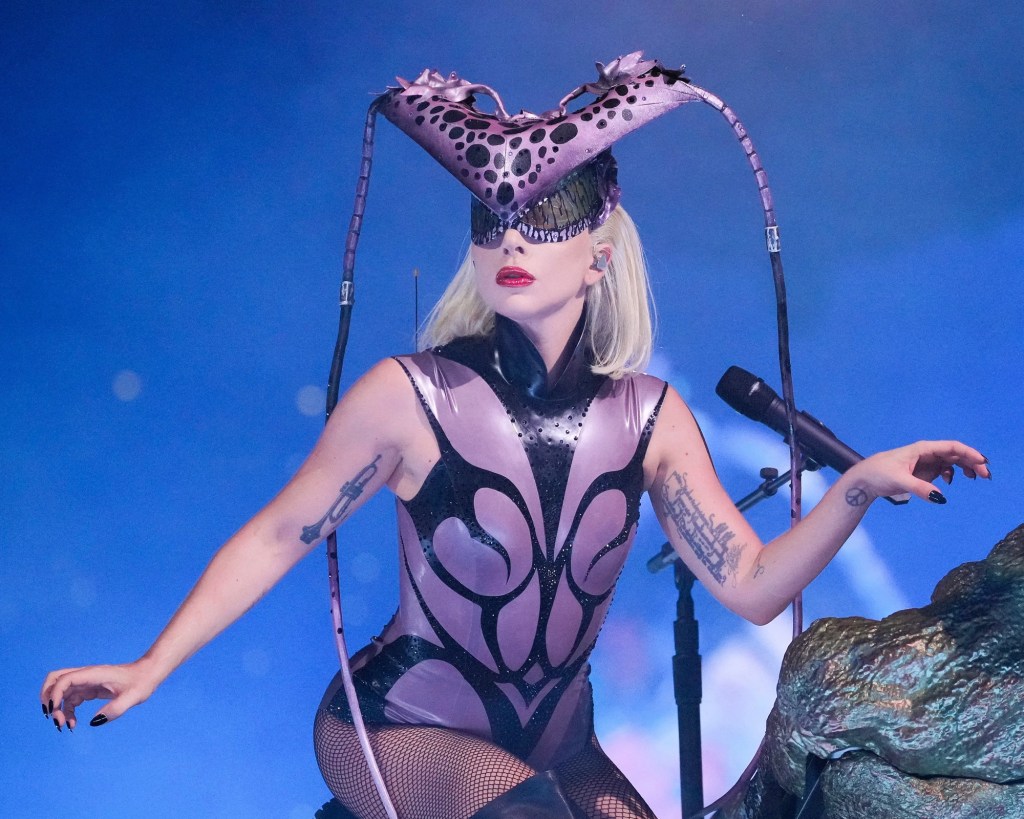
For women in music, this conversation feels particularly relevant because their legacies have historically been built through much more than individual moments. Madonna turned reinvention into an art form. Britney Spears became one of pop’s defining figures through an entire body of music, performances, imagery, and cultural influence. Lady Gaga made fashion, performance, and music inseparable from her identity as an artist. Beyoncé has spent years transforming albums and performances into cultural events that extend far beyond the songs themselves.
Their careers remind us that being an icon is not simply about being recognizable. It is about becoming referential. Other artists, audiences, designers, performers, and even future generations begin to look back at your work as something that changed the conversation.
Yet the industry now moves at a different speed. Artists are expected to have a visual identity for every era, a viral moment for every release, and a performance capable of “breaking the internet.” The pressure is not only to make good music, but to constantly produce something that can become a cultural event.
That creates an interesting contradiction: how can an artist build something lasting when the culture is already asking what comes next?
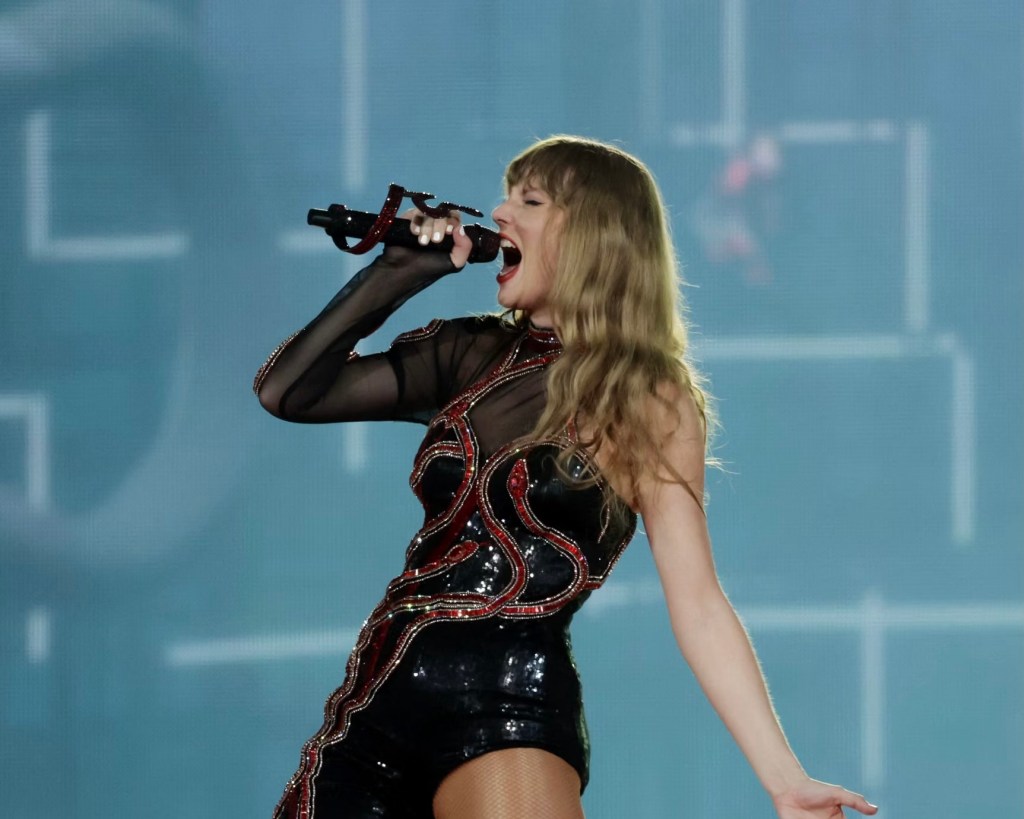
Taylor Swift offers an interesting example. Her eras are carefully defined by different sounds, visuals, narratives, and aesthetics, but their significance comes from how they connect to the larger story of her career. They are not simply isolated moments designed to dominate a news cycle; together, they create a body of work that audiences can trace, revisit, and reinterpret over time.
Maybe that is where we need to draw the line. An “iconic” moment can happen overnight. Becoming an icon cannot.
Perhaps we should stop asking whether something is iconic the second it happens and start asking a harder question: will it still mean something when the algorithm has moved on?
Because cultural impact is not always loud, immediate, or measurable through views. Sometimes it happens quietly, through the artists whose work becomes a reference point for those who come after them. The real test of an icon may not be whether we could not stop talking about her today, but whether, years from now, we are still using her work to understand where music, fashion, performance, and culture have been — and where they are going next.

