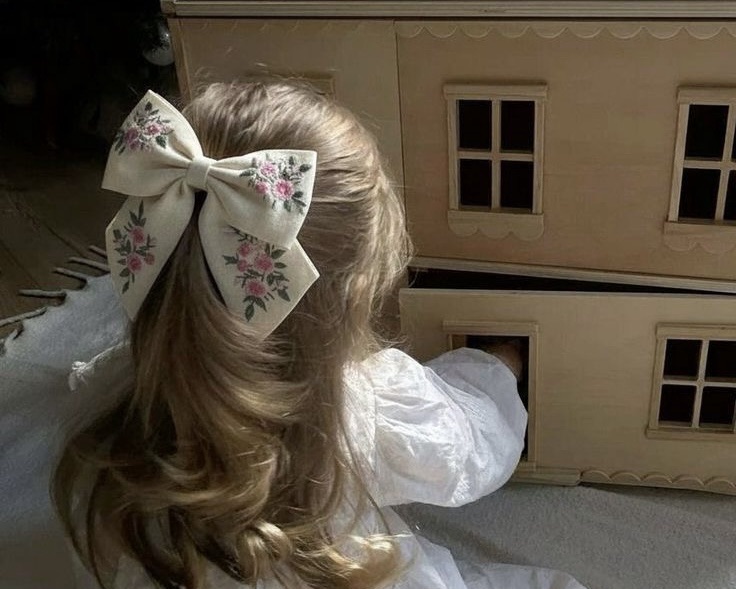
As little girls, we dreamt without asking ourselves how. We wanted to be singers, actresses, writers, directors, producers, work behind a stage, or simply be part of a world that seems so fascinating from the outside. We didn’t think about rejection, competition, closed doors, or how long it might take to get there. We simply thought: I want to do it. Maybe that’s one of the things we lose most as we grow up.
With time, we learn to be realistic. We understand that some careers are harder than others, that talent isn’t always enough, and that working in entertainment can mean spending a long time not knowing exactly where our path is going. We also learn to compare ourselves, question our decisions, and, especially as women, wonder whether we’re asking for too much. Suddenly, what seemed completely possible at fifteen can start to feel naive.
But that little girl in you didn’t know any of this. She didn’t know how many times she would hear “no,” how often she would doubt herself, or how difficult it would be to find a place within an industry she had admired from afar. And that’s not something that happened only to me. Many women enter entertainment after dreaming about it for years, only to discover that building a creative career requires much more than passion. And yet, we keep trying.
I think as women we learn very early on to measure our dreams. We are taught to be ambitious, but not too ambitious. To have goals, but also a backup plan. To want success, but without appearing presumptuous. To take risks, but only when the outcome seems reasonably safe.
The problem is that there is no completely safe version of pursuing a creative career. The entertainment industry is full of uncertainty. Projects fall through, opportunities disappear, auditions go unanswered, and there are moments when it feels like everyone is moving forward except you. It’s easy to start thinking that maybe the girl who dreamed big simply didn’t understand how the world worked.
But perhaps it wasn’t that she didn’t understand the world. Perhaps she simply hadn’t learned to be afraid of it yet.
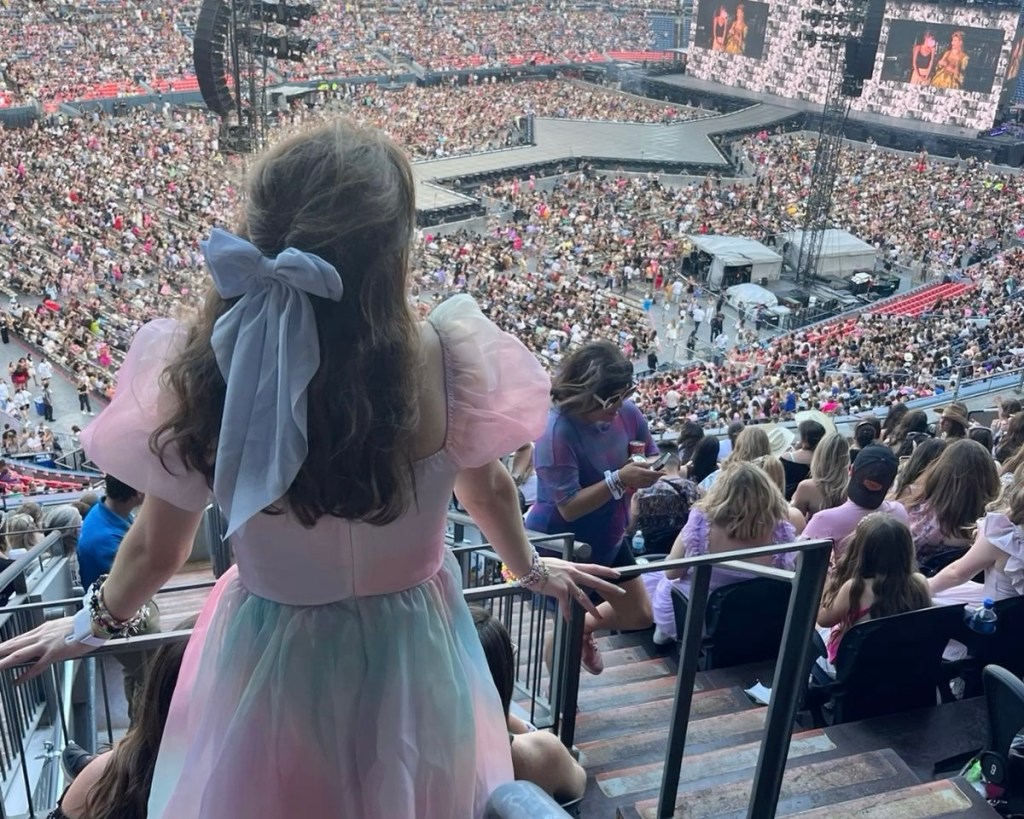
I don’t think growing up means recovering exactly the confidence we had as girls. It doesn’t mean ignoring reality or romanticizing the obstacles, either. It means learning to look at our experiences, even the disappointments, without allowing them to define everything we believe we’re capable of.
Because maybe our younger selves didn’t need to be more realistic. Maybe they simply needed time to discover what they could build.
Today, we know things our teenage selves could never have imagined. We know that talent needs strategy, that passion needs discipline, and that wanting something also means being willing to work for it when it stops being exciting. We learn to recognize our limits, change direction when necessary, and understand that moving forward doesn’t always mean moving quickly. But being realistic shouldn’t mean making our dreams smaller.
Maybe that’s what we should reclaim from those younger versions of ourselves. Not necessarily their innocence, but their willingness to try before deciding something was impossible. They didn’t know how much it would cost, but they also hadn’t decided that the cost meant it wasn’t worth it.
And perhaps that’s especially important for women who want to build a life in entertainment. We don’t need to become fifteen again or pretend we don’t know how difficult it can be. We can carry everything we’ve learned while still holding on to the part of ourselves that dares to imagine something bigger.
Because growing up shouldn’t mean proving to our younger selves that they were wrong to dream. Maybe it means becoming the women with the experience, courage, and determination to build the life that girl once dared to imagine.

