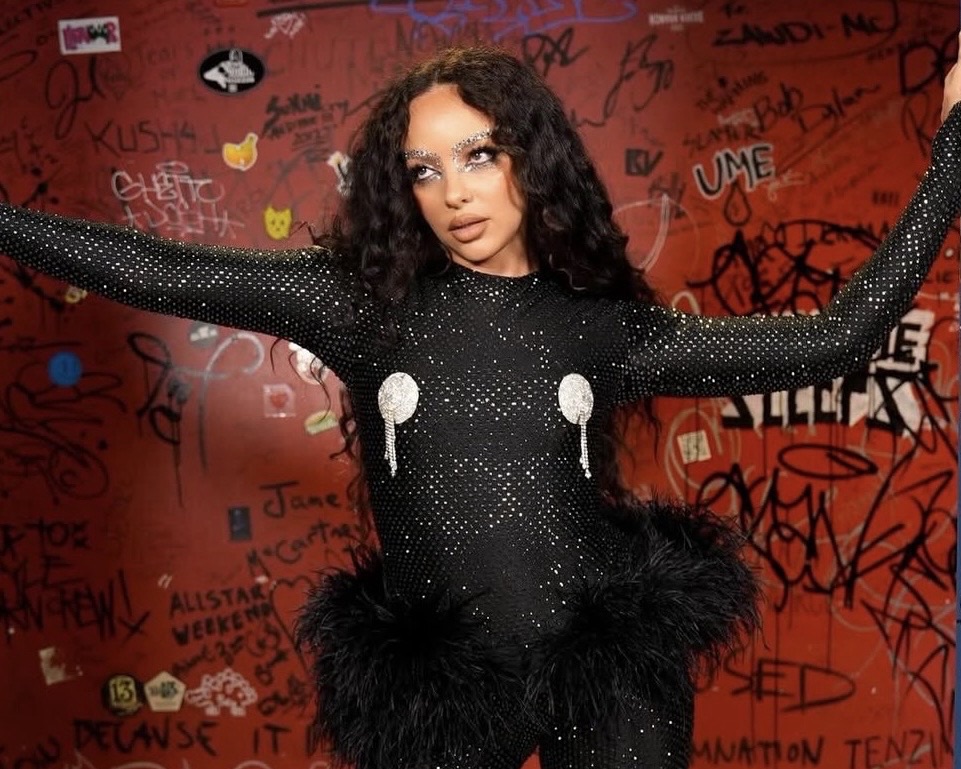
Long before TikTok trends, No. 1 debuts, and sold-out arena tours, there was another way to measure whether a pop song truly had cultural impact: did the gays like it?
It may sound like an internet joke, but behind that question lies a relationship that has shaped pop culture for decades. Throughout the years, many female artists have found some of their most passionate, loyal, and enthusiastic supporters within the LGBTQ+ community. At the same time, queer fans have found something equally meaningful in pop music: a space for self-expression, celebration, and belonging.
The connection between pop girls and their LGBTQ+ fanbases has never been simply about marketing. Instead, it has been built on a shared appreciation for individuality, creativity, and authenticity. Pop music has always embraced emotion, drama, reinvention, and self-expression – qualities that have resonated deeply with generations of queer listeners. In many ways, it offers a world where being different is not only accepted but celebrated.
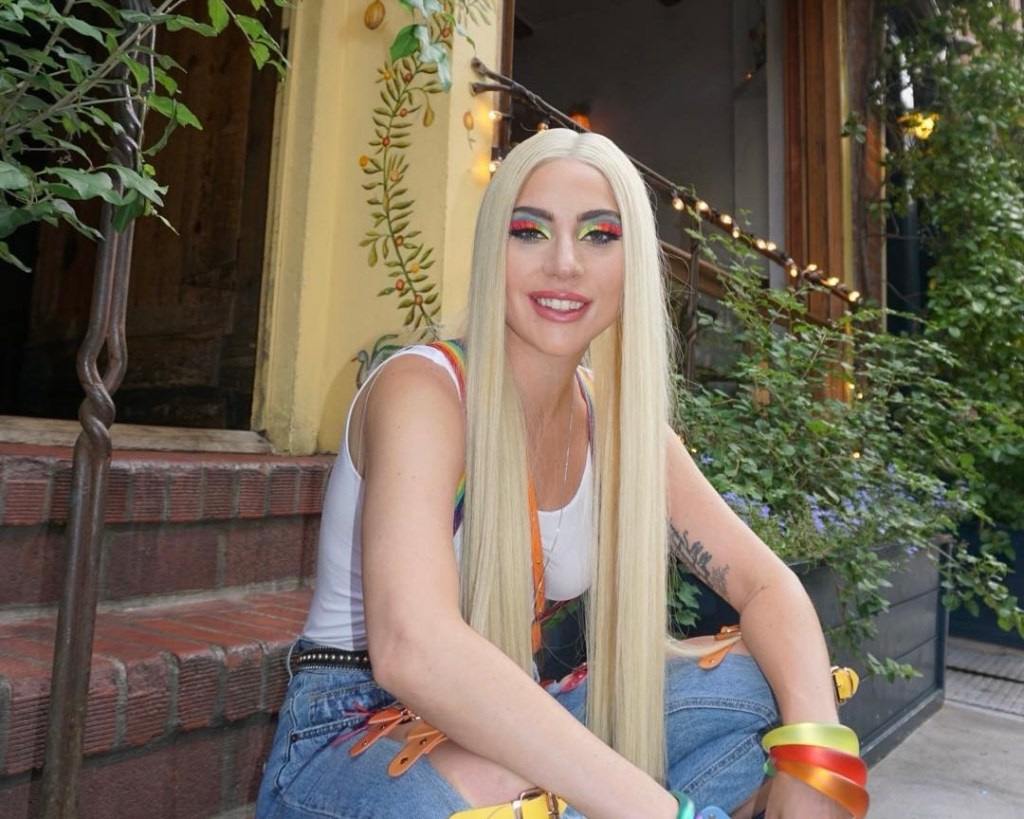
Some artists have understood this bond particularly well. Lady Gaga is perhaps one of the most well-known examples. With Born This Way, she transformed a pop song into a cultural statement about self-acceptance and pride. More than a chart-topping hit, the song became an anthem for millions of people who saw themselves reflected in its message. Over the years, Gaga has consistently acknowledged and celebrated her LGBTQ+ fans, making them feel seen not just as listeners, but as an important part of her journey.
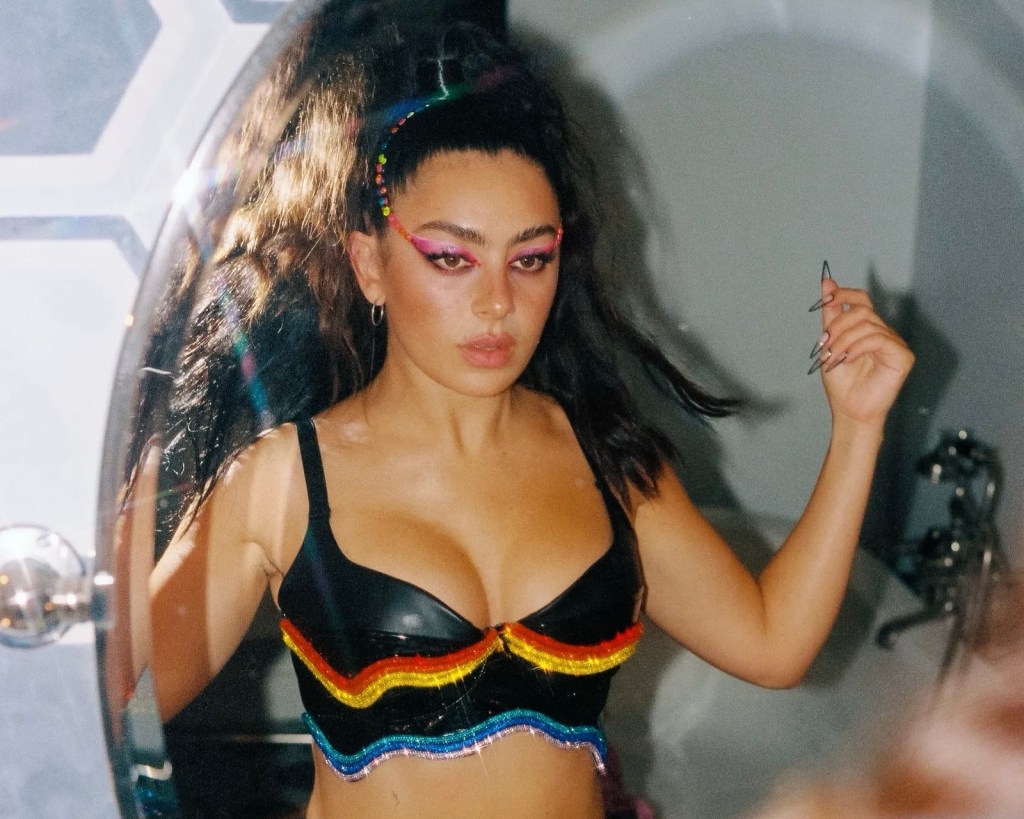
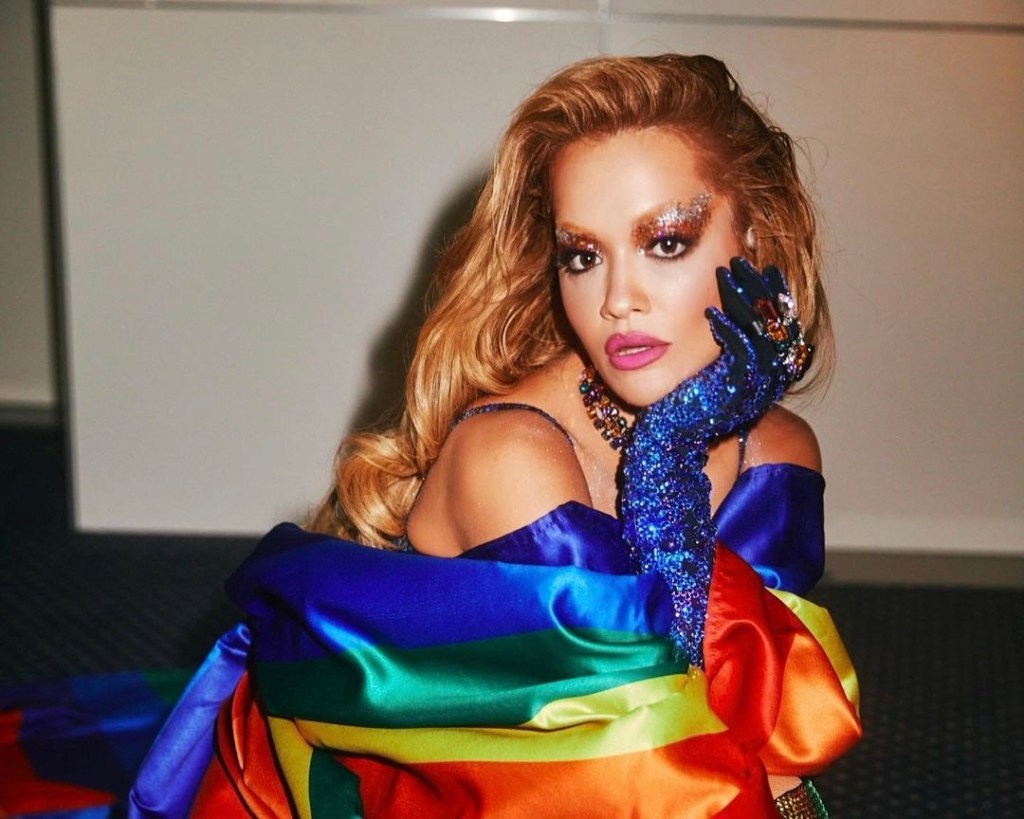
She is far from alone in this. Kylie Minogue has spent decades earning the admiration of queer audiences through her joyful music, glamorous performances, and ability to reinvent herself while remaining unmistakably Kylie. Equally, artists such as JADE, Charli XCX, and Rita Ora have openly embraced the community, recognizing the role queer fans continue to play in shaping pop culture. Whether through Pride performances, social media interactions, or simply creating music that encourages self-expression, these artists understand that the relationship goes far beyond streaming numbers.
And then there are the songs themselves. Because every great relationship deserves a soundtrack.
Tracks like Born This Way, Padam Padam, Apple, and Angel of My Dreams became more than successful releases; they became cultural moments. These songs took on lives of their own, moving beyond radio and playlists into dance floors, Pride celebrations, social media trends, and countless shared experiences. They became part of the language of pop culture, creating memories and connections that extended far beyond the music itself.
That is also why concerts and Pride events remain such important spaces within this relationship. Beyond the spectacle, they offer moments of collective joy and belonging. There is something powerful about standing in a crowd of thousands of people, singing the same lyrics, and feeling understood without having to explain yourself. For many fans, these experiences are not just entertainment – they are community.
As someone who has spent years observing the relationship between artists and fandoms, I believe one of the most beautiful aspects of this connection is the sense of mutual appreciation that exists between both sides. The artists provide music, visibility, and spaces where individuality can thrive. The fans respond with creativity, support, and an energy that helps keep pop culture alive and evolving.
Ultimately, this story is not about claiming that LGBTQ+ fans “made” these artists famous, nor is it about suggesting they are the only people who support them. Rather, it is about celebrating a unique cultural relationship built on recognition, respect, and joy.
And perhaps that is why the question still matters after all these years: did the gays like it? Because when the answer is yes, chances are something truly special has happened.
 ROARA Magazine