You do not usually realise a film has changed the way you think while you are watching it. It happens later. With television shows, it can happen in between episodes and across seasons, reflected in the decisions you make without fully knowing why, or in the version of yourself you start building without tracing where the idea came from.
A character’s confidence, a dramatic reinvention, or a storyline about ambition, love, or escape may not feel particularly significant in the moment, but over time it can become a reference point for how you interpret your own choices and expectations.
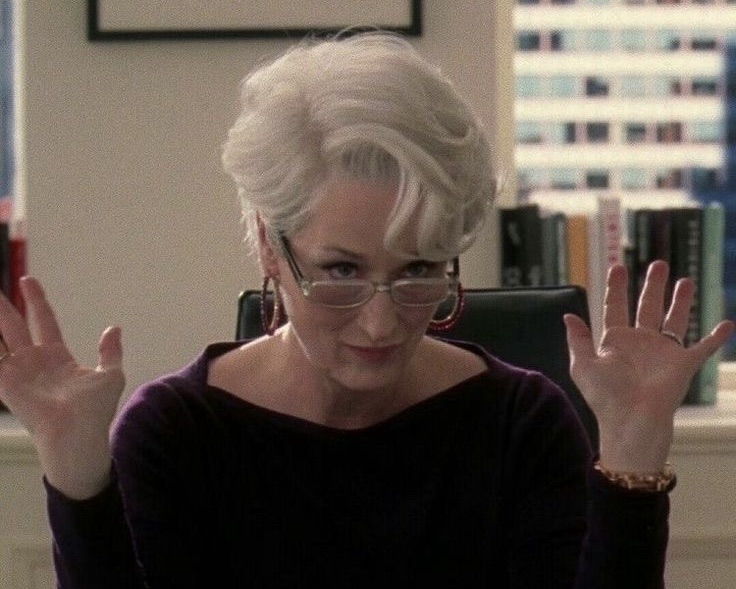
That is part of why certain films stay with us long after we first watch them. They are not just remembered, but returned to at different points in life, taking on new meaning depending on where we are when we revisit them. Now, with the sequel currently in theatres, The Devil Wears Prada meets audiences at a completely different stage of life than when they first saw it. It is not just about returning to a familiar story, but about recognising how something once watched in one moment of your life can feel entirely different in another.
What once felt like a sharp, entertaining story about ambition, transformation, and the world of fashion often reveals something more layered with time. Beneath its surface lies a tension between ambition and identity, success and self respect, and the way those ideas shift as you grow older and begin to understand them differently.
That is what gives screen stories a different kind of importance in our lives.
Beyond shaping identity in formative years, they often become emotional anchors. Films and television shows are not simply things we experience once and move on from. They become part of a personal rhythm, something to return to when life feels uncertain, or when something familiar is needed. Over time, they shift from influence to comfort, from inspiration to grounding presence.
Before adulthood fully settles in, these stories often offer structured versions of life. Careers seem clearer, friendships feel more defined, and transformation appears more visible than it often is in reality. They do not replace lived experience, but they help give it shape. They provide an early emotional vocabulary for ambition, independence, identity, and change. As time passes, certain films and shows begin to hold a dual role. They are both formative and familiar.
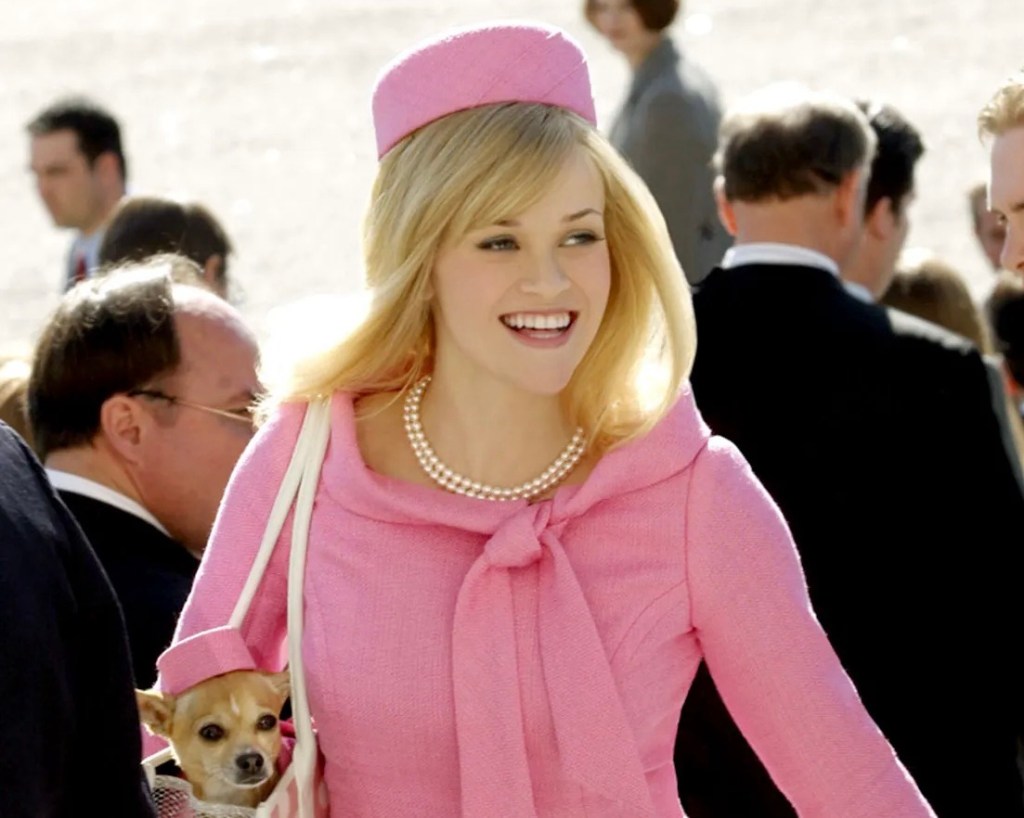
Legally Blonde reminds us that being underestimated does not define your limits, and that when you have a clear goal and you are willing to work for it, you can achieve more than people expect. At the same time, it captures that feeling of turning other people’s doubt into fuel, using it as an engine to keep going when you believe in something.
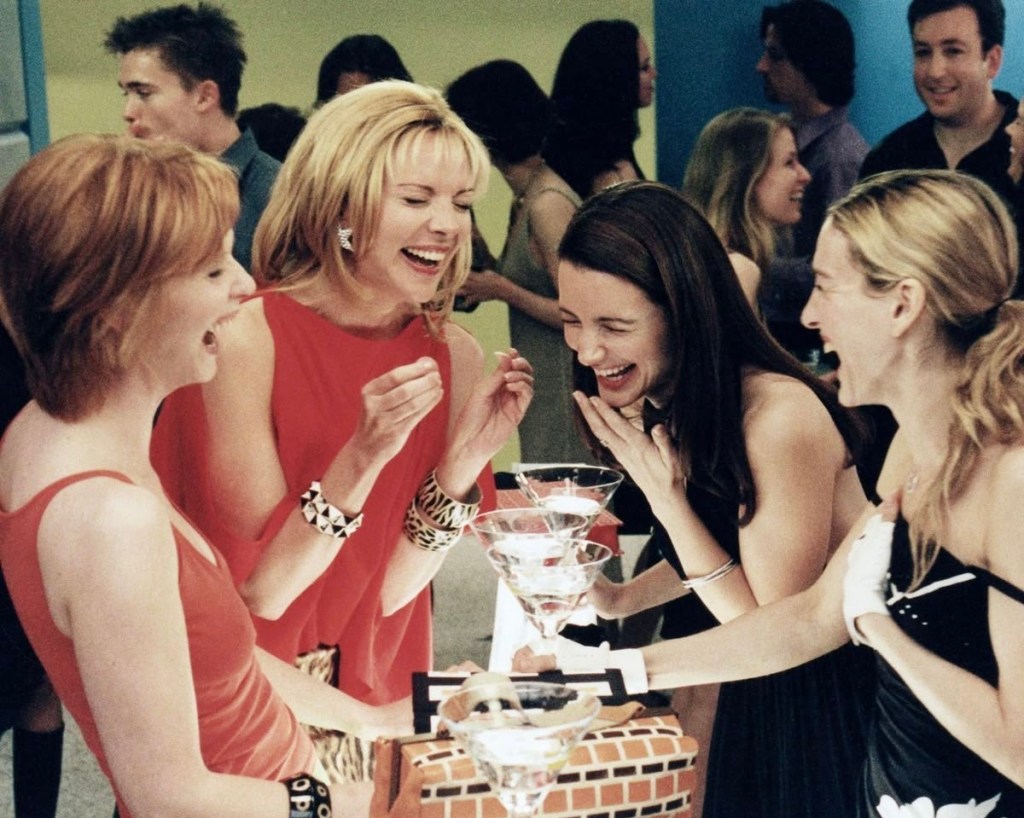
Sex and the City captures the importance of female friendship and how it carries you through different stages of adulthood, where you can recognise different parts of yourself in the characters as you grow and move through life.
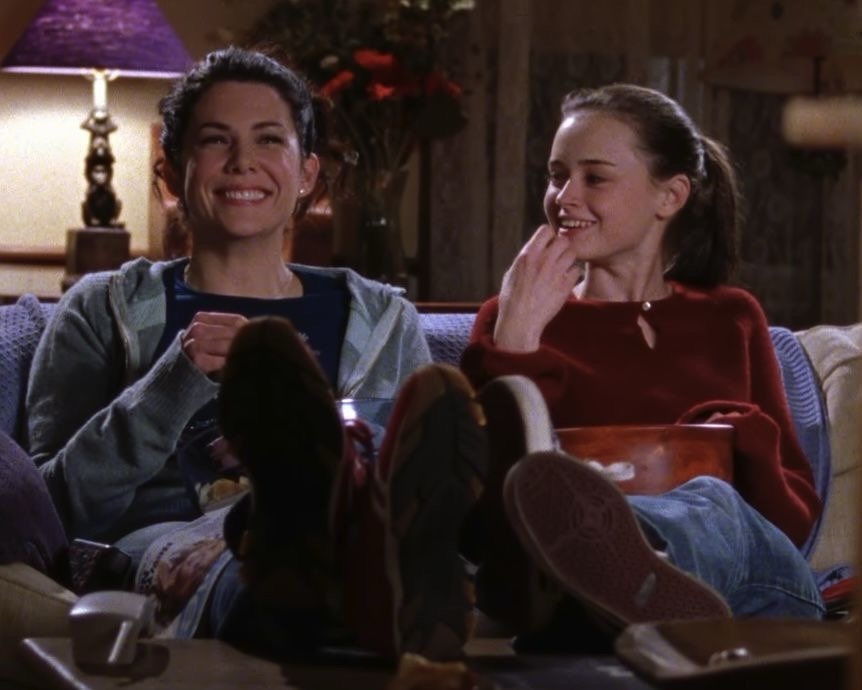
Gilmore Girls has become a comfort show for many, something people return to in certain seasons of life, especially when they want something familiar and steady. It reminds people of home, not just as a place but as a feeling of stability and belonging, shaped through close relationships, routine, and the sense of a world that stays emotionally consistent even when everything else changes.
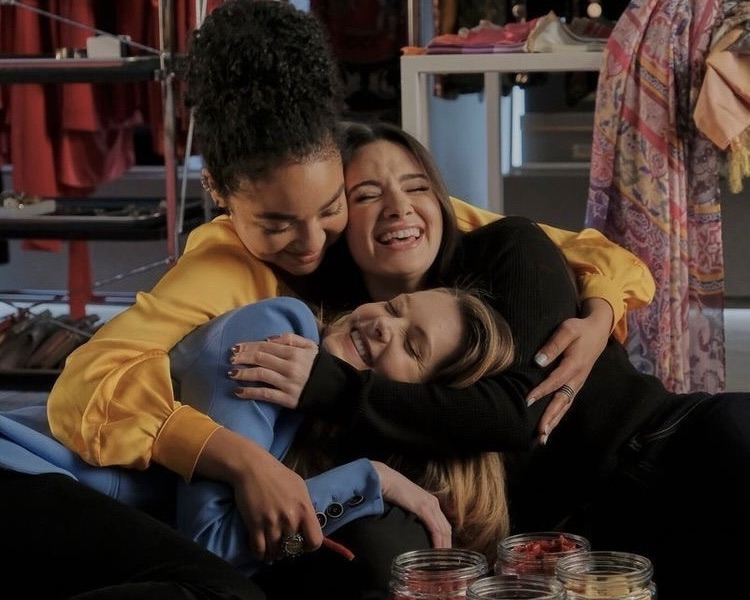
The Bold Type reflects a more modern experience of girlhood and ambition, showing work, identity, and relationships as something still being figured out in real time, and in doing so it makes the uncertainty of becoming feel normal and shared.
These stories endure because they continue to offer something emotionally steady while still evolving with the people watching them. What once felt aspirational may later feel grounding. What once felt distant may later feel familiar. Their value changes with the viewer, which is part of why they remain so present.
What connects all of these films and shows is not just cultural impact, but longevity of feeling. They do not only shape how people think in the moment they are first watched. They continue to exist alongside people as they grow, becoming part of memory, routine, and emotional language.
And in that way, screen stories do not simply shape who we become once. They stay with us long enough to shape who we continue to be.

