In today’s world, it has become almost impossible for women in the public eye to simply exist without explanation. Every decision they make, whether personal or professional, public or private, is often met with immediate scrutiny, endless opinions, and an overwhelming sense of entitlement from strangers who believe they deserve answers.
For female celebrities especially, there seems to be an unspoken expectation that they must constantly justify themselves. If they change, they must explain why. If they step back, they must defend their reasons. If they make choices that others do not understand, they are often met not with respect, but with criticism. Their bodies are analyzed, their relationships are questioned, their careers are dissected, and even the most personal parts of their lives become topics for public debate. What makes this even more frustrating is how normal it has become.
We have become so used to commenting on women’s lives that many people no longer stop to ask whether they should. Speculation is often disguised as concern, judgment is framed as curiosity, and criticism is brushed off as “just having an opinion.” But there is a clear difference between observing someone’s public life and believing you are entitled to control the narrative around it.
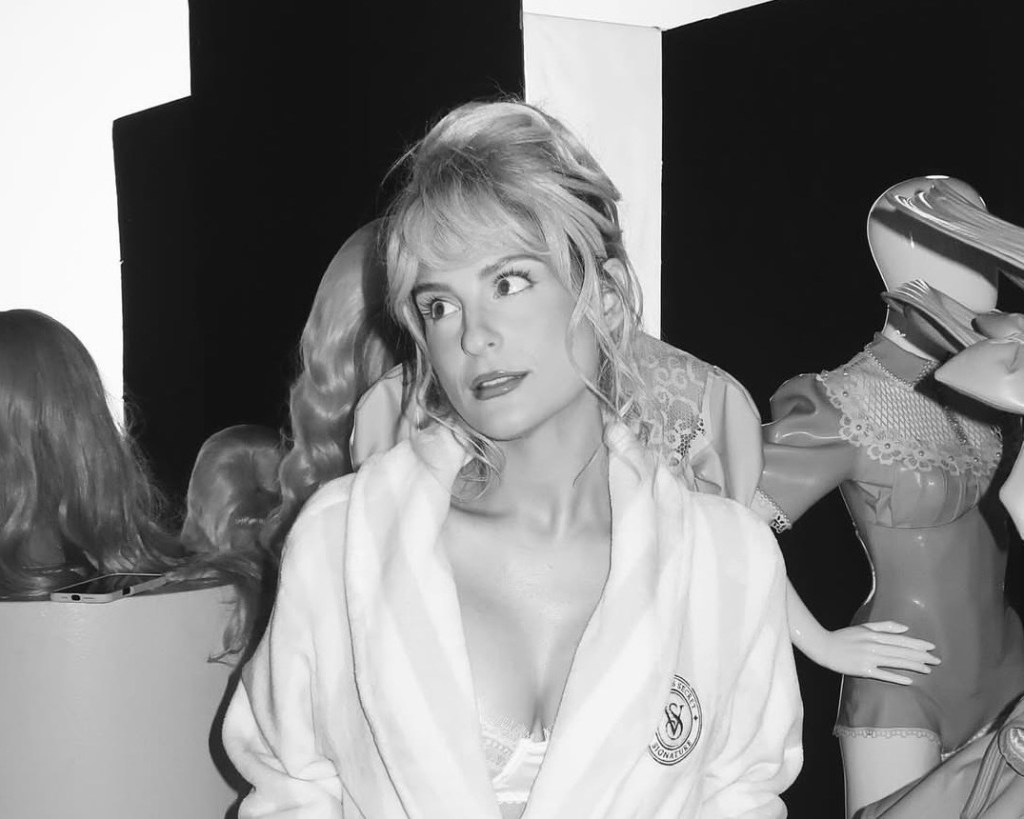
Meghan Trainor has recently become one of the latest examples of this reality.
In recent months, nearly every aspect of her life has been picked apart online. Her appearance has been discussed endlessly. Her music and career decisions have been criticized. Her marriage has been the subject of public speculation. Her choice to grow her family through surrogacy, something deeply personal and connected to her own health journey, has been reduced to cruel assumptions and unnecessary commentary.
Even her recent decision to cancel her tour and prioritize time with her family, something that should have been met with understanding, quickly turned into another opportunity for people to question her honesty and invent their own explanations.
And while Meghan may be the current target, this conversation is much bigger than one person. The scrutiny women face in the public eye is constant, and it takes many different forms.
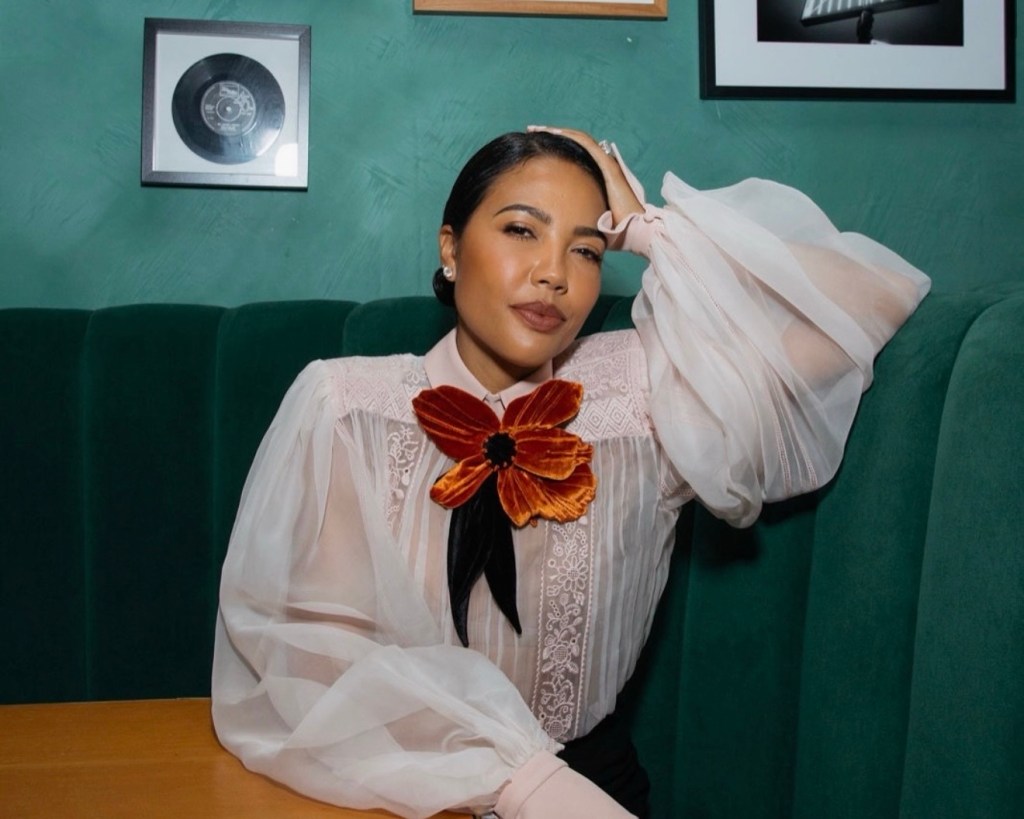
Emma Grede recently made headlines after describing herself as a “max three-hour mum,” immediately facing criticism for being too career-driven. Would the same judgment be placed on a dad for openly prioritizing his work? We already know the answer to that.
Rita Ora, meanwhile, continues to receive hateful comments, with people quick to label her “irrelevant” or dismiss anything she does as a failure. The confidence with which people make these assumptions, and the cruelty behind them, is unsettling.
Different women, different circumstances, yet the pattern remains the same, women are expected to explain, defend, and justify themselves in ways men rarely ever have to.

The truth is that women are often expected to remain understandable and accessible at all times. Society seems uncomfortable when women make decisions for themselves without offering a full explanation. There is an expectation that women must be transparent, consistent, and easy to interpret, not only for those close to them, but for complete strangers.
When a woman changes, people often take it personally. If she evolves, people say she has changed too much. If she chooses her family, they question her ambition. If she prioritizes her health, they question her motives. If she steps away, they assume failure. If she succeeds, they search for flaws.
It creates an impossible standard, one where women are criticized no matter what they choose. And perhaps the most important question we should be asking is this, would a man be treated the same way?
Would a male artist canceling a tour to focus on his family be met with the same level of suspicion? Would people endlessly debate his body, speculate about his marriage, or question the legitimacy of his personal health decisions? Would his every move be turned into a public discussion filled with theories, judgment, and criticism? Most likely, no.
That is what makes this issue so deeply rooted in gender. Women are not simply expected to succeed, they are expected to explain themselves while doing it. They are asked to perform their lives publicly while remaining graceful under criticism, endlessly patient with assumptions, and somehow grateful for the attention.
But being in the public eye does not erase someone’s humanity. Celebrities may choose to share parts of their lives, but that does not mean they owe the world unlimited access to their decisions, their struggles, or their private realities.
Choosing a public career is not the same as consenting to cruelty, invasion, or disrespect. There must still be boundaries, respect and room for women to make choices without having to defend themselves to strangers. Having opinions is natural. Curiosity is human. But there is a difference between interest and entitlement.
Too often, people forget that behind every headline, every social media post, and every public appearance is a real person, someone capable of being hurt, overwhelmed, and exhausted by the constant pressure to be understood by people they have never met. Maybe it is time we stopped asking women to explain themselves.
Maybe it is time we allowed women, famous or not, to evolve without punishment, to choose themselves without suspicion, to set boundaries without backlash, and to make deeply personal decisions without turning those decisions into public property.
And maybe the next time we feel tempted to question a woman’s choices, we should ask ourselves a different question instead. Why do we feel entitled to an answer at all?
Because true empowerment is not just celebrating women when their choices make sense to us. It is respecting their right to make those choices, even when they do not.

