
Your attention is constantly in demand. Not loudly, not dramatically, but in a steady, persistent way that follows you from the moment you wake up to the moment you switch off your lights. A quick glance at your phone becomes ten minutes. A harmless scroll turns into an entire evening. It all feels casual, almost accidental, and yet none of it really is.
We like to think we’re fully in control of how we spend our time online, but the reality is a little more layered. The digital world isn’t just something we dip into when we’re bored. It’s carefully designed to keep us there. Every notification, every autoplay video, every perfectly timed suggestion is part of a system that thrives on one thing: your attention. Because in today’s world, attention isn’t just valuable, it’s currency.
The attention economy is built on this simple idea. The longer you stay engaged, the more profitable you become. It’s why platforms are engineered to feel endless. There is always another post, another clip, another headline waiting just beneath your thumb. You’re never quite finished, and that’s entirely the point. It’s not about giving you what you need and sending you on your way. It’s about keeping you there for just a little bit longer.
What’s important to understand is that this isn’t about a lack of willpower. It’s easy to blame ourselves for getting distracted, for losing time, for falling into the scroll. But these spaces are designed to hold your focus. They are built by people who understand behaviour, habit, and psychology in remarkable detail. So if you’ve ever wondered how you ended up watching videos you didn’t even search for, the answer isn’t that you failed. It’s that the system worked.
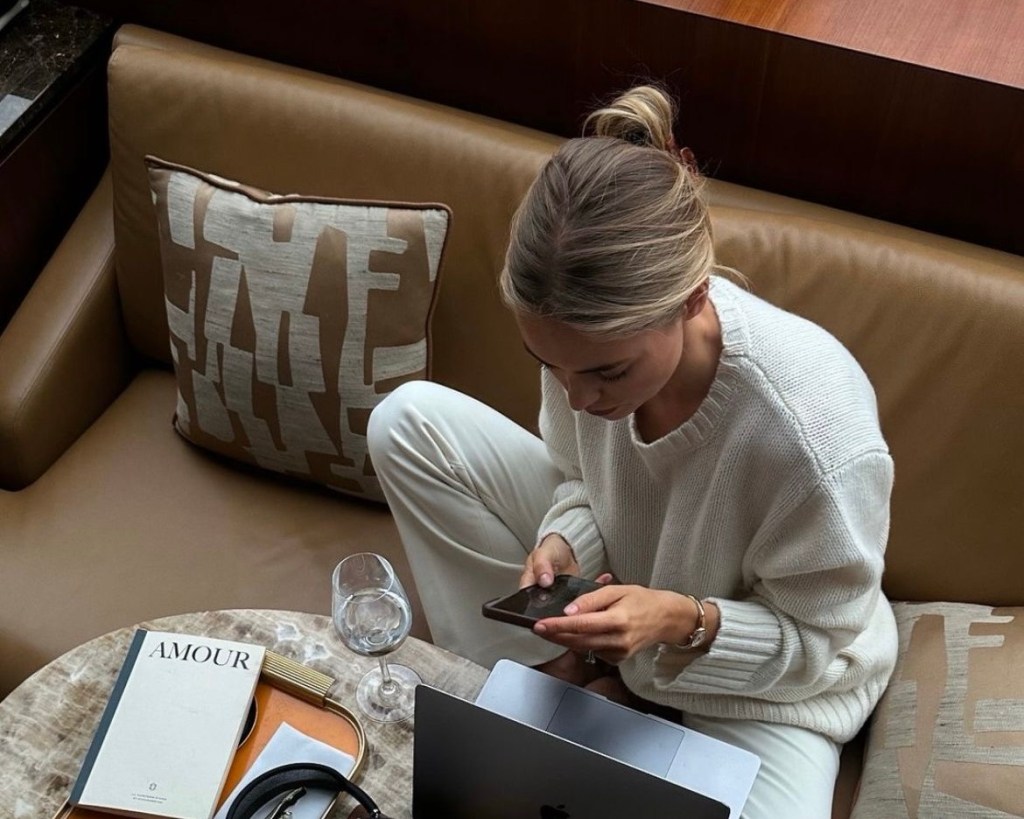
That said, recognising this doesn’t mean you’re powerless. In fact, it does the opposite. Once you see how your attention is being shaped, you can start to take small, deliberate steps to reclaim it. Not by cutting yourself off from the digital world entirely, but by becoming more intentional within it.
Think of your attention as something you spend. Most of us scatter it throughout the day without really noticing, giving a few seconds here and a few minutes there until it quietly adds up. But when you start treating it as something valuable, something worth protecting, your habits begin to shift. You become more aware of what actually deserves your time and what simply fills it.
This doesn’t require a complete lifestyle overhaul. It can be as simple as noticing when something leaves you feeling drained rather than inspired, or choosing to stop scrolling when you’ve had enough instead of when the content runs out. It might mean putting your phone down during moments that don’t need filling, allowing yourself to sit in a bit of quiet without immediately reaching for distraction. These are small choices, but they carry more weight than they seem.
There’s also something quietly powerful about realising that focus is not just about productivity. It’s about presence. Where your attention goes, your experience follows. If your focus is constantly fragmented, pulled in a dozen different directions, it becomes harder to feel grounded in anything at all. But when you start choosing where it goes, even in small ways, life begins to feel a little more intentional, a little more yours.

Of course, none of this is about perfection. You don’t need to monitor every minute or avoid every distraction. The goal isn’t to win some invisible battle against technology. It’s simply to be aware enough to make your own choices within it. To recognise when you’re being pulled, and to decide, even occasionally, to pull back.
The attention economy isn’t going anywhere. If anything, it will only become more sophisticated, more seamless, more woven into everyday life. But that doesn’t mean you lose control. It just means that control becomes something you practise, not something you assume you already have.
So the next time you find yourself reaching for your phone without thinking, pause for a second. Not to judge yourself, but to notice. Because in that small moment of awareness, something shifts. You’re no longer just reacting. You’re choosing.
And in a world that is constantly competing for your focus, that simple act of choosing is where your power begins.

