There was a time when admitting you read tarot cards or checked your birth chart might have earned you a skeptical smile. Today, these practices are finding their way into conversations about creativity, wellness, and even songwriting.
Dua Lipa has shared that her collaborator Sarah Hudson would begin some writing sessions with a tarot reading. As the singer explained on Song Exploder, these readings opened up conversations about what they were experiencing and changed the energy in the studio.
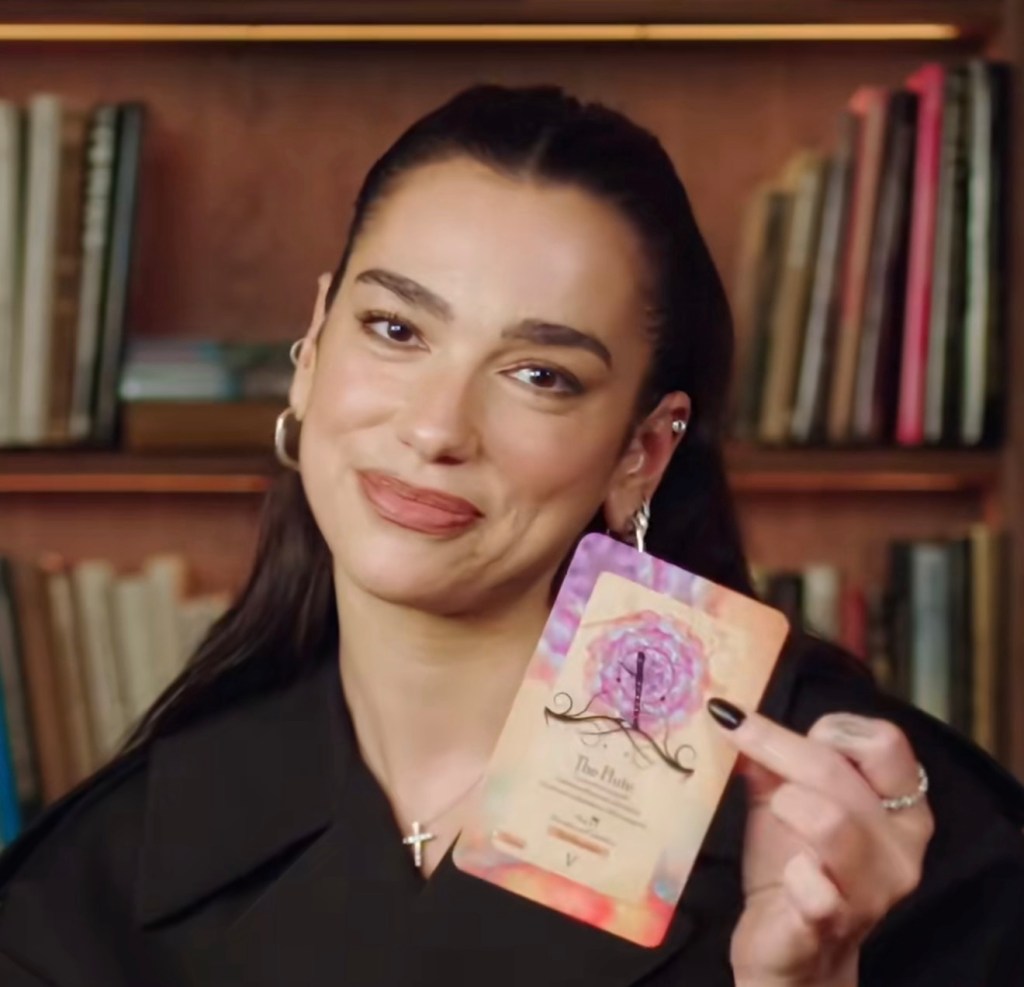
Anya Taylor-Joy, meanwhile, has spoken about reading tarot and turning to card readings to reflect on challenging periods in her life. The point is not to turn these women into mystical gurus, but to ask what they find in these rituals.
The answer may have less to do with predicting the future and more to do with creating space to listen to themselves. A card does not have to make a decision for anyone; it can offer an unexpected question, an image that helps put a feeling into words, or simply a reason to pause before moving forward. Astrology can work in a similar way. For some people, looking at a birth chart is not about handing control over to the planets, but finding a symbolic language to think about their desires, fears, and personal cycles.
In an industry where every decision can become a public evaluation, that private space may be especially appealing. Female artists constantly receive opinions about what sounds they should explore, how they should present themselves, when they should release music, and which version of themselves they should show the world. Their careers revolve around schedules, metrics, and expectations that rarely stop. Against so many outside voices, a personal ritual can offer something simple but valuable: a moment when the question is not what the audience expects, but what am I actually feeling?
This search for meaning is not limited to celebrities, either. Over the past two years, I have also become increasingly interested in tarot and astrology. I have found myself looking for signs in card readings, exploring manifestation, and turning to my birth chart when I need to understand whether I am moving in the direction I want for myself. There is something fascinating about finding aspects of a reading that seem to put into words feelings you have carried for a long time but never quite knew how to explain. Not necessarily because these practices hold all the answers, but because they offer another way to look at yourself and recognize patterns in your personality, desires, and contradictions.
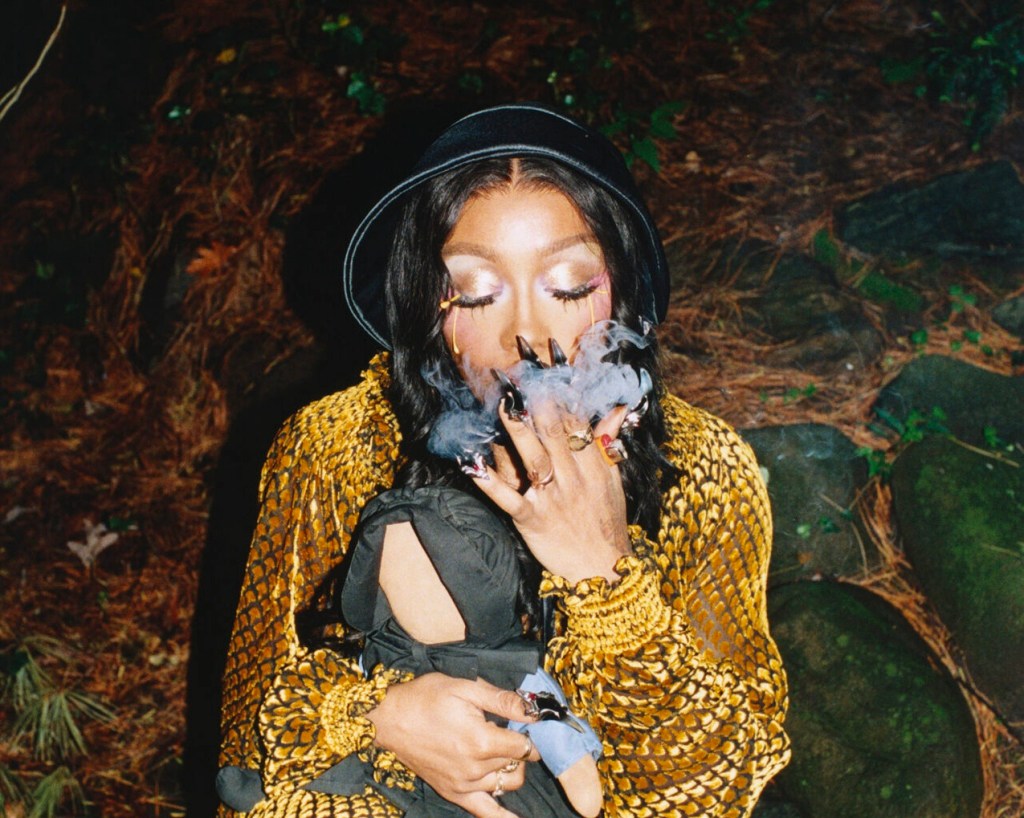
SZA has spoken openly about her spiritual journey. In a conversation with Chappell Roan for Interview Magazine, she explained that she once looked for answers through tarot readers and astrologers, until she realized she could not depend on other people to find her own. Her reflection adds an important layer to this conversation: intuition is not about obeying every sign or constantly searching for certainty outside yourself. It also means recognizing when to stop asking questions and start trusting your own judgment.
Maren Morris has recalled how tarot readings with her bandmates became a way to connect after concerts while on tour. Even those who did not believe in the cards ended up taking part in unexpected conversations. In that setting, tarot was not a formula for making career decisions, but a way to share questions, emotions, and experiences. Perhaps that is part of its appeal: rather than offering definitive answers, it can open conversations that might not have happened otherwise.
Of course, you do not have to believe in astrology to recognize the value of pausing, reflecting, or looking at a situation from a different perspective. Nor are all women intuitive in the same way, and these practices are certainly not exclusive to them. What is interesting is how some female artists have made room for these forms of expression without needing to justify why they find them meaningful.
Perhaps the real question is not whether the stars can predict what comes next or whether a card holds the right answer. It is why we find ourselves drawn to tools that allow us to explore our own questions. In a culture that often expects us to be available, confident, and decisive all the time, trusting the unseen may simply be another way of learning to listen to ourselves.

