
Across the United States, hundreds of thousands of people painted their faces this summer, travelled to different cities, screamed until they lost their voices, spent more money than they had originally intended and cried when the moment they had been waiting months for finally arrived.
If you pictured a soccer stadium, you probably wouldn’t think twice about it. We’d call it passion. We’d call it dedication. But if you imagined a stadium filled with Ariana Grande or Hilary Duff fans singing every lyric back to their favorite artists, there’s a good chance the language would change. Suddenly it’s hysteria. It’s fangirl behaviour. The question isn’t why these two crowds behave so similarly. It’s why we’ve decided they deserve such different labels.
You only have to listen to the conversations surrounding each to hear the contrast.
“I flew to the US just to watch England play. I spent $900 on tickets.”
These stories are usually met with admiration. Swap the football shirt for a concert wristband, however, and the response is often noticeably different.
“You spent how much? You flew to another country for a singer? Isn’t that a bit excessive?“
The actions haven’t changed. The emotional investment hasn’t changed. Only the subject of that devotion has, and somehow that changes everything.
Soccer fandom has long been granted a kind of cultural legitimacy that few other forms of fandom enjoy. It isn’t seen as simply entertainment but as something woven into identity itself. Soccer clubs are inherited through families and international tournaments become expressions of national pride. Match days are rituals that have been repeated for generations, complete with lucky shirts, pre-match routines, chants and traditions that bind strangers together. It’s been celebrated for decades.
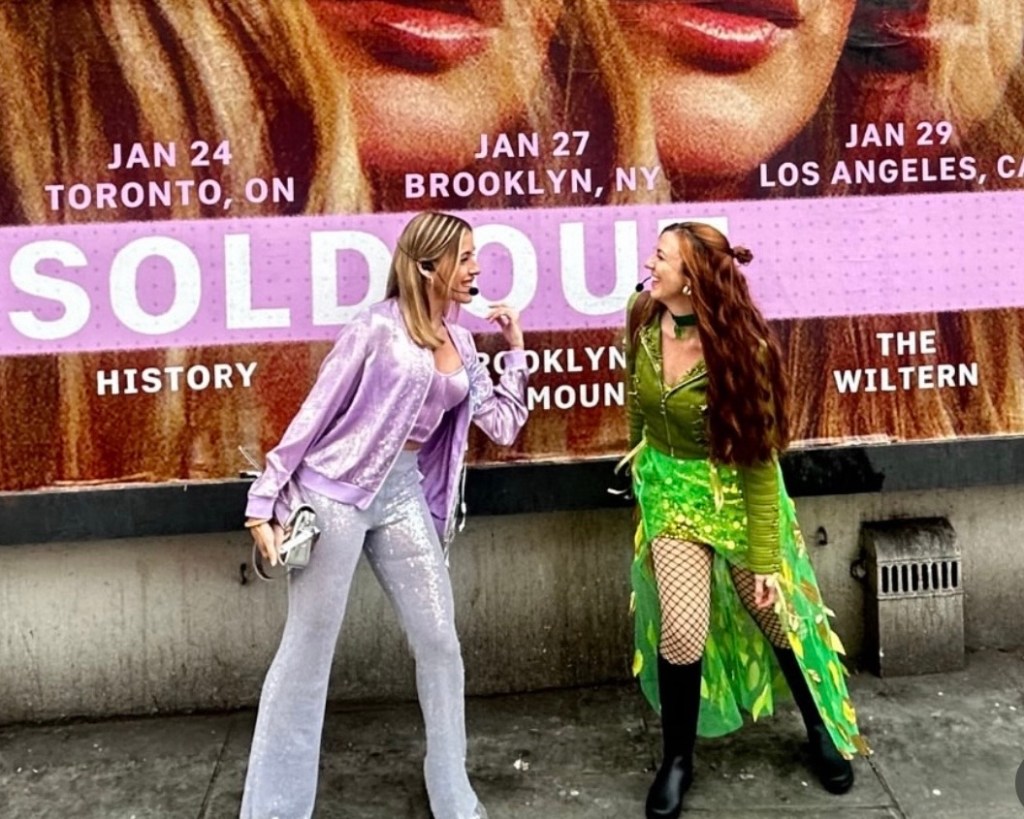
Yet music fandom, particularly when it centres on artists with predominantly female audiences, has rarely been afforded the same respect. Instead of loyalty, it’s called obsession. Instead of passion, it’s called irrational. Instead of recognising community, it’s often reduced to celebrity worship. The stereotype of the screaming teenage girl has persisted for decades, carrying with it the assumption that if women are emotionally invested in something, it must somehow be less serious than the interests traditionally associated with men.
The irony is that if you remove the labels and simply compare the behaviour, the similarities become almost impossible to ignore. Soccer supporters queue overnight for finals, spend fortunes on away matches, memorise statistics stretching back decades and arrange holidays around fixtures.
Music fans queue overnight for concerts, spend fortunes travelling to different cities, know every lyric by heart and organise entire summers around tour dates.
Both groups wear clothing that signals belonging. Both collect memorabilia. Both speak a language outsiders often struggle to understand. Both form friendships through shared experiences. Both gather with thousands of strangers who somehow feel familiar because they care about exactly the same thing.
What both communities are really investing in isn’t just soccer or music. They’re investing in identity. Human beings have always searched for places where they feel they belong, and fandom offers exactly that.
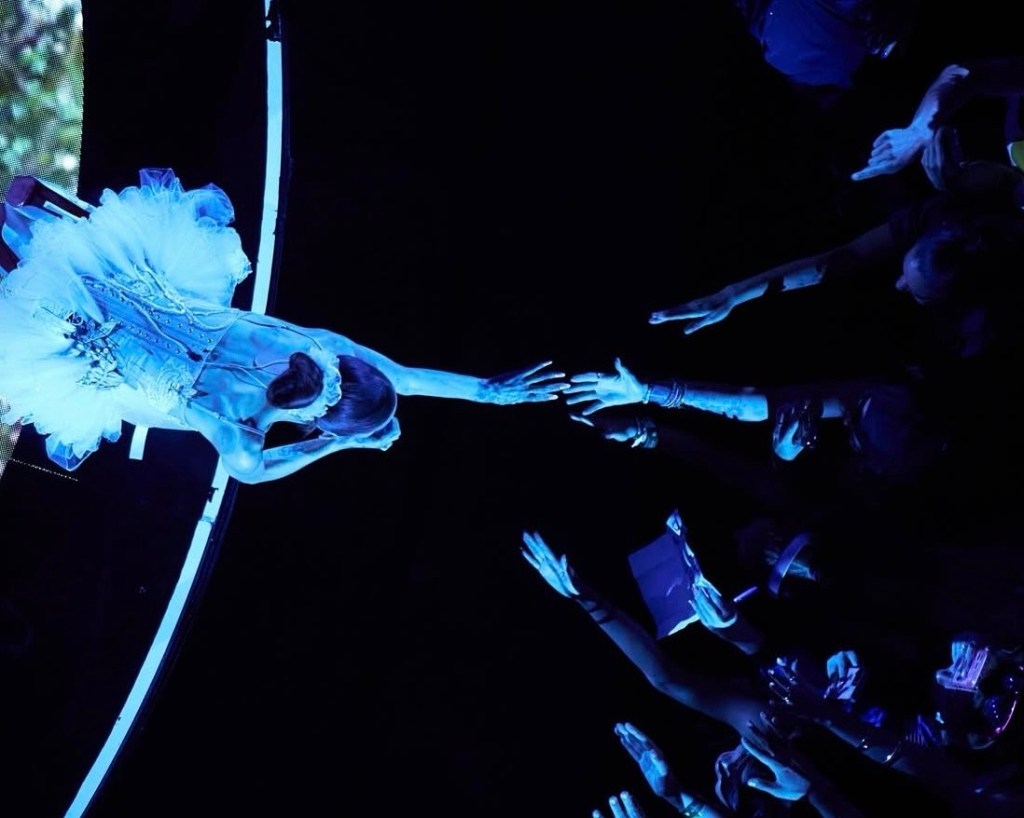
For many women, their favourite artist doesn’t simply provide a soundtrack to life; their music becomes part of how life itself is remembered. Albums become tied to first heartbreaks, friendships that shaped adolescence, moments of grief, periods of healing, new beginnings and the slow process of discovering who you are.
Songs become emotional landmarks. Hearing them performed live isn’t simply exciting because the artist is standing a few metres away. It’s moving because those songs are intertwined with memories that feel deeply personal. Standing in a stadium singing alongside seventy thousand people who understand exactly why those lyrics matter creates a sense of connection that goes far beyond celebrity.
That is why the tears are real.
A soccer fan cries because their country has finally won a tournament after decades of disappointment.
A Swiftie cries because All Too Well is the song that carried them through the worst year of their life, and hearing it live feels like closing a chapter they never thought they’d survive.
Neither response is manufactured. Neither is irrational. Both are moments where deeply personal emotions become shared with thousands of other people, creating a sense of collective experience that is surprisingly rare in modern life.
Every form of fandom has the potential to become toxic when admiration turns into entitlement. But that isn’t what defines the overwhelming majority of supporters, whether they’re wearing soccer shirts or swapping friendship bracelets.
Most are simply searching for what humans have always searched for: belonging, identity, community and moments that remind them they are part of something bigger than themselves.
Perhaps it’s time we stopped asking why fangirls care so much and started asking why we’ve spent so long pretending their passion counts for any less.

