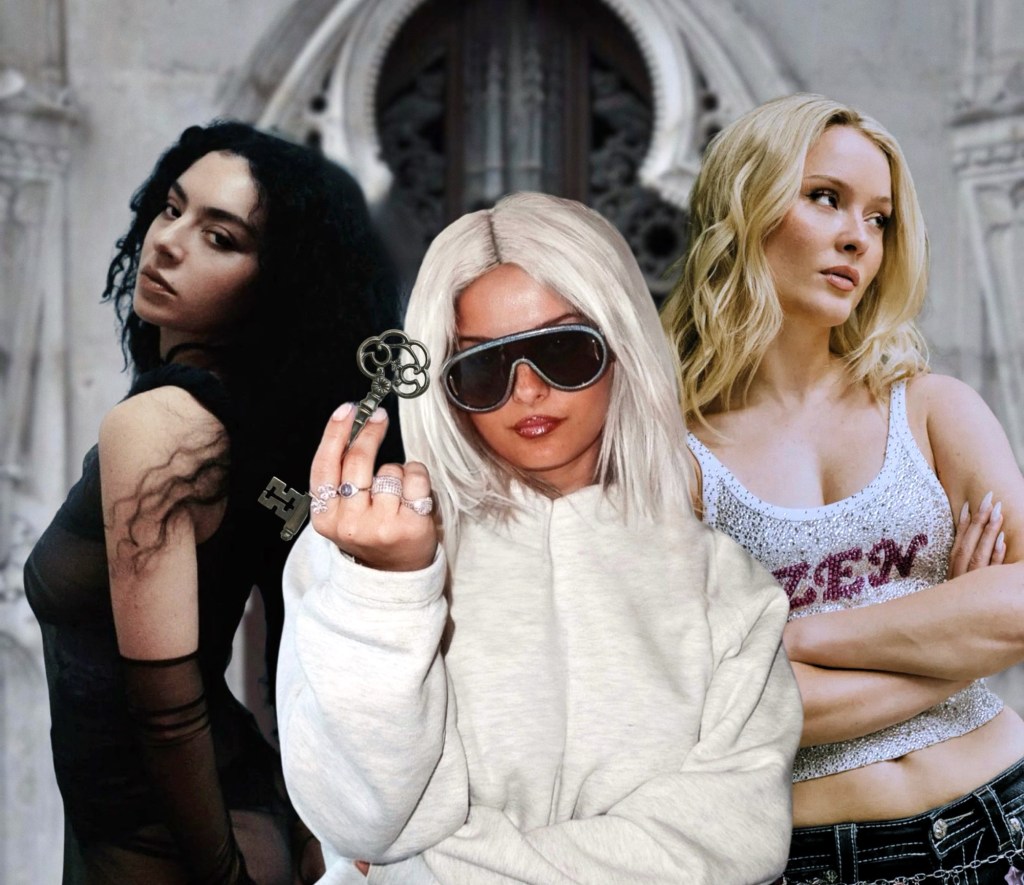
In the fast-moving world of pop culture, few internet jokes have become as persistent – and strangely accepted – as the so-called Khia Asylum. A fictional place where, according to the meme, artists are sent once their careers lose mainstream relevance. While many see it as just another joke born out of fandom culture, it also reveals something interesting about how the internet decides who is still relevant and who is not.
The term originates from rapper Khia, best known for her hit My Neck, My Back. Over time, social media users began using her name as an ironic reference to describe artists who, in the eyes of online audiences, had disappeared from the charts or from the cultural spotlight. From there, the idea of the “asylum” emerged – an imaginary place where pop careers supposedly go to end.
Like many internet memes, the concept is often used with humor. Within digital culture, saying an artist has been “sent to the Khia Asylum” can simply be an exaggerated way of pointing out that it has been a while since their last major hit. Even some artists have chosen to take the joke lightly.
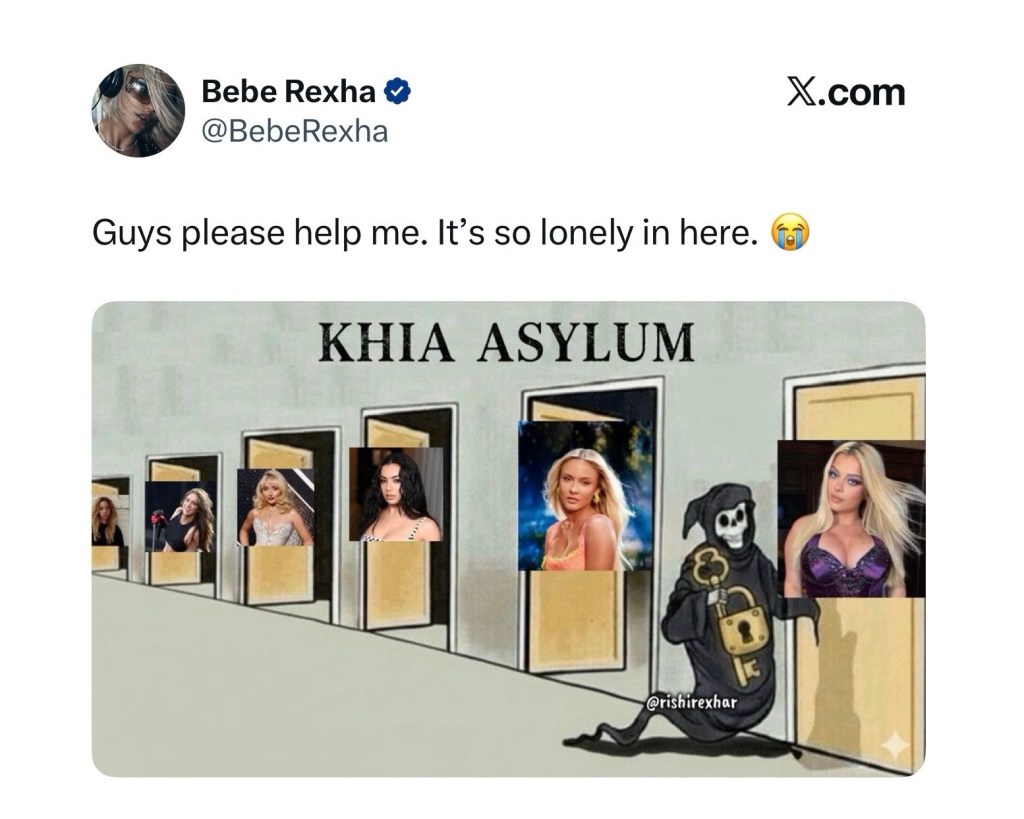
Bebe Rexha has referenced the meme on social media, showing that in many cases it exists within the playful and ironic tone that defines much of internet culture. Despite the ups and downs that naturally come with a long career in pop, she managed to capture public attention again through new releases and collaborations that placed her back in the center of the musical conversation.
However, behind the joke there is also a more interesting conversation about how success is perceived in the entertainment industry. More often than not, any female artist who has not had a major hit recently can quickly find herself associated with this so-called “asylum,” as if music careers must constantly remain at their peak in order to still be considered relevant.
But the reality is far more complex than a meme.

In recent years, several artists have proven that careers in music and entertainment rarely follow a straight line. Zara Larsson spent some time being the subject of these kinds of online comments. Yet her return with new music and her renewed presence across digital platforms demonstrated that relevance can shift, adapt, and find new audiences. After being a popular opening act for Tate McRae in 2025, she has successfully sold out venues around the world on her own solo tour shortly after. All of that success has, according to the internet, gotten her out of the asylum.
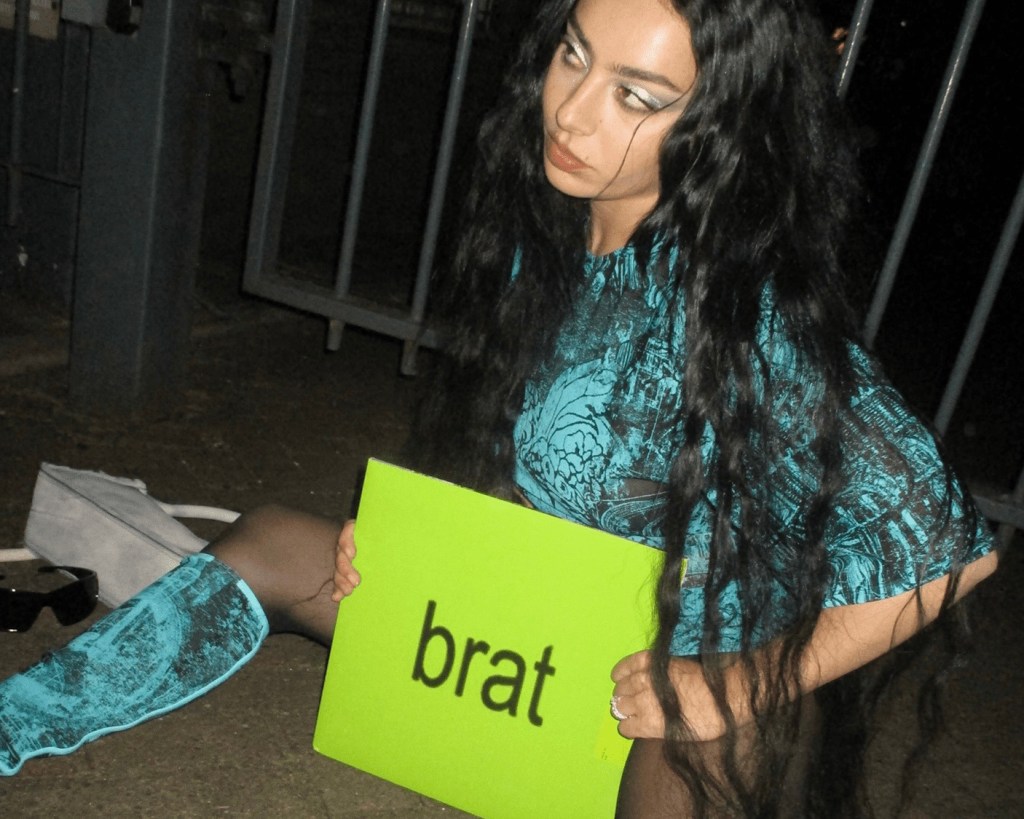
But she is not the only one who has “achieved” that in recent heats. Let’s look at Charli XCX. For years, she was seen by some as a niche figure within experimental pop. Yet rather than fading away, she continued to evolve creatively, strengthen her fan community, and ultimately establish herself as one of the most influential and innovative voices in contemporary pop music. We were all a part of brat summer, weren’t we?
These stories reveal something that the internet often forgets: artistic careers are not linear. Artists grow, experiment, and move through different phases of visibility. In many cases, their most culturally impactful moments arrive after periods of transition rather than constant chart dominance.
Ultimately, the issue is not just the meme itself, but what it represents. The speed with which the entertainment industry – and especially social media – decides that someone has stopped being relevant. For women, this pressure can be even greater. Female artists are often expected to maintain constant success, flawless public images, and an uninterrupted presence in the spotlight.
The Khia Asylum reminds us that careers, creativity, and relevance are never fixed, especially for women in the music industry. Female artists move through periods of visibility, growth, and reinvention, and stepping away from releasing music or performing their main work does not mean they have stopped creating, experimenting, or preparing for what comes next. These quieter moments are often where ideas take shape and where the foundation for future success is built.
Many women in the music industry are 360 artists, pursuing multiple projects, collaborations, and passions that expand their influence beyond the spotlight. Being active in different creative spaces shows that impact and growth are not always measured by chart positions or constant public attention. No woman should ever be written off, because the next chapter may be closer than anyone realizes and the most meaningful breakthroughs often come when they are least expected.
 ROARA Magazine