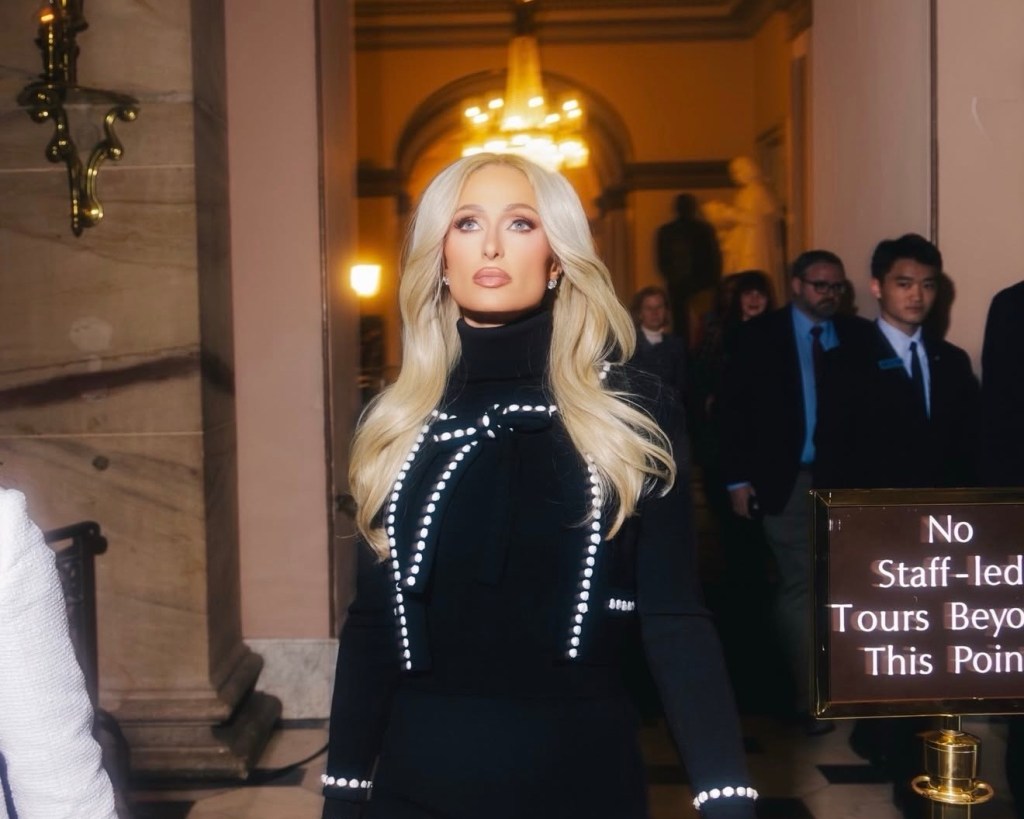
For years, Paris Hilton existed in the public imagination as a character. The “it girl.” The punchline. The sparkle without the substance. Glamorous, underestimated, and often reduced to a stereotype that ignored the woman underneath it all. But Paris was always more layered than the version people chose to see.
Much like Elle Woods in Legally Blonde, Paris learned how to turn being underestimated into fuel. What once limited her became leverage. What once silenced her became a microphone.
When Paris publicly shared her experiences with abuse in youth residential treatment facilities, it marked a turning point. This wasn’t a fleeting confession or a moment designed for attention. It was a reckoning. She didn’t just tell her story, she followed it into rooms where laws are written. She met with lawmakers, testified before legislatures, and helped shape policies aimed at protecting vulnerable minors. That work contributed to legislative change across multiple U.S. states, increasing oversight and accountability in an industry that had operated in the shadows for far too long. In doing so, she helped countless survivors feel seen, believed, and empowered to speak.
What makes this chapter of Paris’ life feel especially meaningful is what came next.
Paris became a mother. And suddenly, the mission deepened.
The work is no longer only about her past, it’s about the future she’s building. About the world her children will grow up in. About making sure harm isn’t hidden, and that systems meant to protect young people actually do their job. Motherhood didn’t soften her advocacy, it sharpened its purpose. There’s a desire now not just to be heard, but to be remembered. To be known not only for influence, but for impact. For being a good person who used her voice to make meaningful change and leave the world better than she found it.
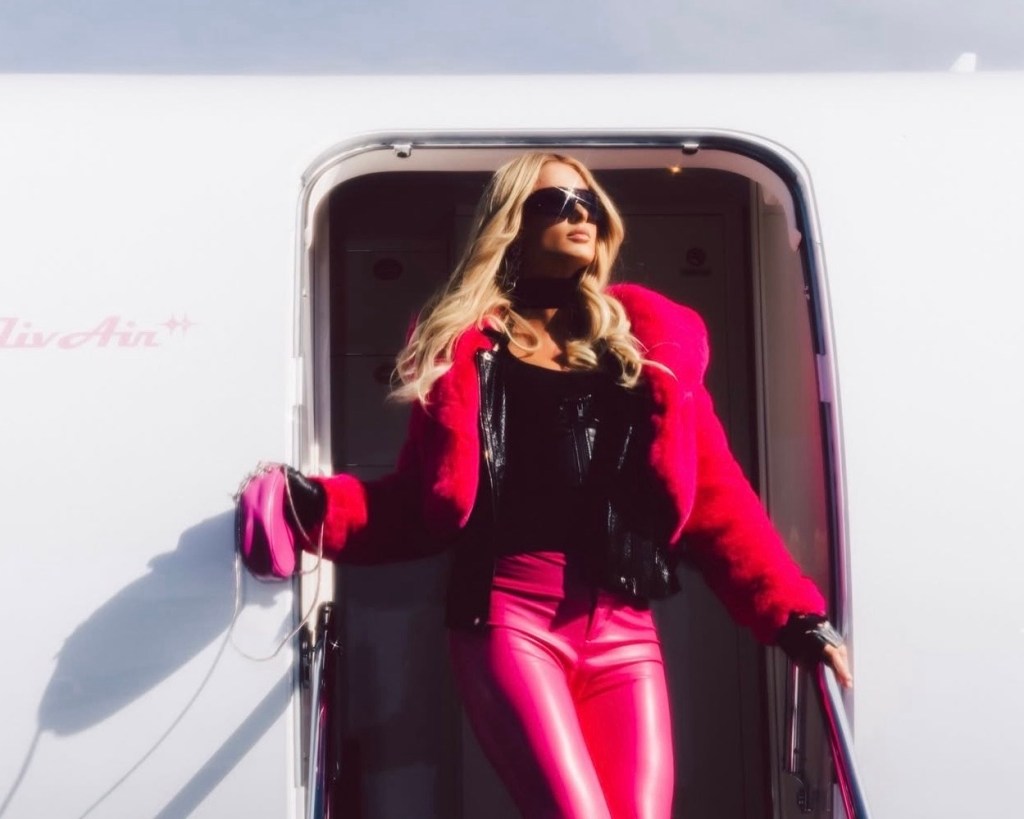
There’s a noticeable shift in how Paris shows up today. More grounded. More intentional. Still unmistakably herself, but anchored by something deeper. She didn’t abandon the image the world once tried to trap her in. She expanded it. Glamour still exists. Pink still exists. But so does grit, accountability, and persistence.
For many women who grew up watching Legally Blonde or following Paris’ early career, there’s something full-circle about witnessing this evolution. It’s proof that women don’t need to outgrow themselves to be taken seriously. Compassion and ambition can coexist. Vulnerability and strength can live in the same body.
From my perspective, Paris’ story also reflects a broader cultural shift. We’re watching pop-culture figures redefine what leadership looks like, using their platforms not just to entertain, but to challenge systems that were never designed to be questioned by people like them. As someone who works behind the scenes in communications and storytelling, it’s inspiring to see how narratives evolve and how the same media attention that once fueled stereotypes can now amplify advocacy and real-world change.
Ultimately, Paris Hilton’s political engagement sends a powerful message: change doesn’t belong exclusively to politicians or activists with traditional backgrounds. It belongs to anyone willing to speak up, educate themselves, and take action. Much like Elle Woods’ journey from underestimated law student to respected attorney, Paris’ evolution reminds us that influence isn’t defined by first impressions, but by intention.
Her story is no longer just about reinvention. It’s about legacy. And that may be the most powerful transformation of all.
 ROARA Magazine