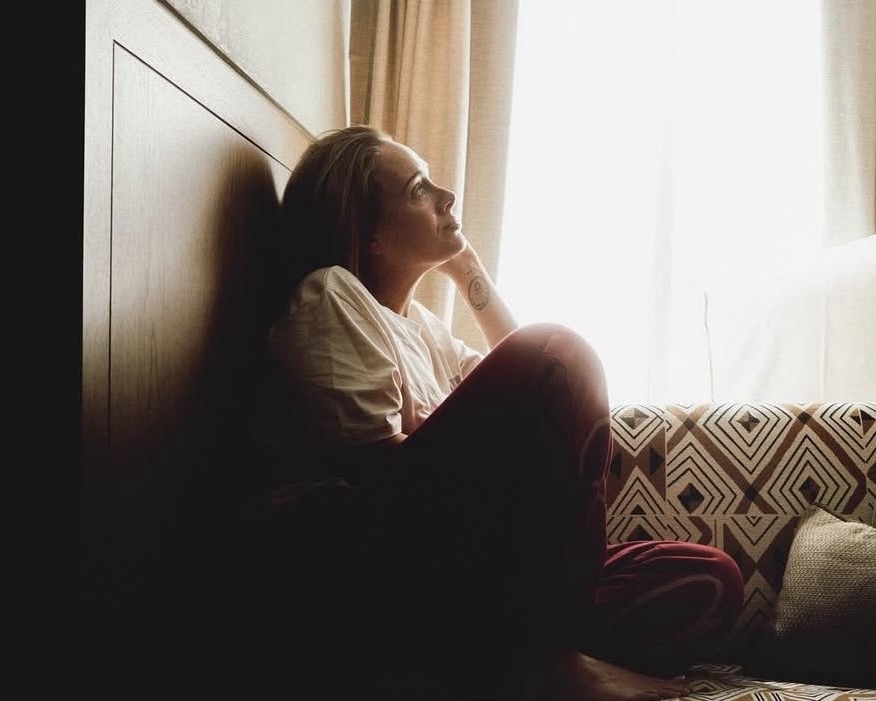
The start of a new year often comes with an unspoken pressure: do more, move faster, prove that we are making the most of our time. In the music industry — where constant visibility and productivity often feel like requirements for relevance — that pressure can feel overwhelming. But more and more women are beginning to question this narrative. What if a true fresh start isn’t about pushing harder, but about learning when to pause?
For years, burnout was romanticized in music. Endless tours, nonstop promotion cycles, and the expectation to always be “on” created a culture where exhaustion was seen as dedication. For many artists, especially women, rest felt risky. Taking a break could mean losing momentum, visibility, or credibility in an industry that rarely slows down.
Yet that mindset is beginning to shift. Artists like Adele have openly spoken about the importance of long pauses between projects — time she uses to reconnect with herself and with music from a more grounded, honest place. Her rest didn’t signal disengagement; it allowed her to return with clarity, intention, and a deeper sense of self.

A similar conversation has emerged through Selena Gomez, who has become one of the most visible voices advocating for mental health in entertainment. By prioritizing her well-being and stepping away from the spotlight when needed, she challenged the idea that success must come at the expense of emotional stability. Her openness helped normalize a truth many women already knew: sustainability matters more than constant output.
Talking about rest in the music industry isn’t about comfort — it’s about boundaries. It’s about choosing when to say no, when to pause a tour, or when to protect creativity before it turns into obligation. Lorde, for instance, has been clear about her need to disappear between albums in order to live, observe, and then create authentically. Her absence is not neglect; it’s part of her artistic process.
This shift isn’t happening only on stage. Behind the scenes, women working in management, public relations, production, and creative direction are also questioning long-normalized work cultures: endless hours, constant urgency, and the belief that rest must be earned. Today, setting boundaries is increasingly seen as a professional skill rather than a weakness—one that allows careers to last.

In this context, the new year becomes an opportunity to redefine what success actually means. Not as a race toward constant achievements, but as the ability to build a career that doesn’t demand self-erasure. For many women in music, choosing rest is a form of resistance against perfectionism, overwork, and the pressure to always prove their worth.
Rest becomes a statement: my mental health is not negotiable. My creativity deserves care. My value is not measured by how busy I appear.
This reframing is especially powerful in an industry that has historically celebrated sacrifice above all else. When women choose to slow down, they challenge a system that equates productivity with purpose and exhaustion with ambition. They remind us that creativity thrives in space, not in depletion.
Maybe this new beginning doesn’t require more hustle or louder goals. Maybe it asks for intentional pauses, honest check-ins, and a kinder relationship with work. In choosing rest, women in the music industry are not stepping back—they are stepping into a more humane version of success.
Because redefining success also means deciding what we refuse to lose along the way. And increasingly, the answer is clear: not our mental health.
 ROARA Magazine