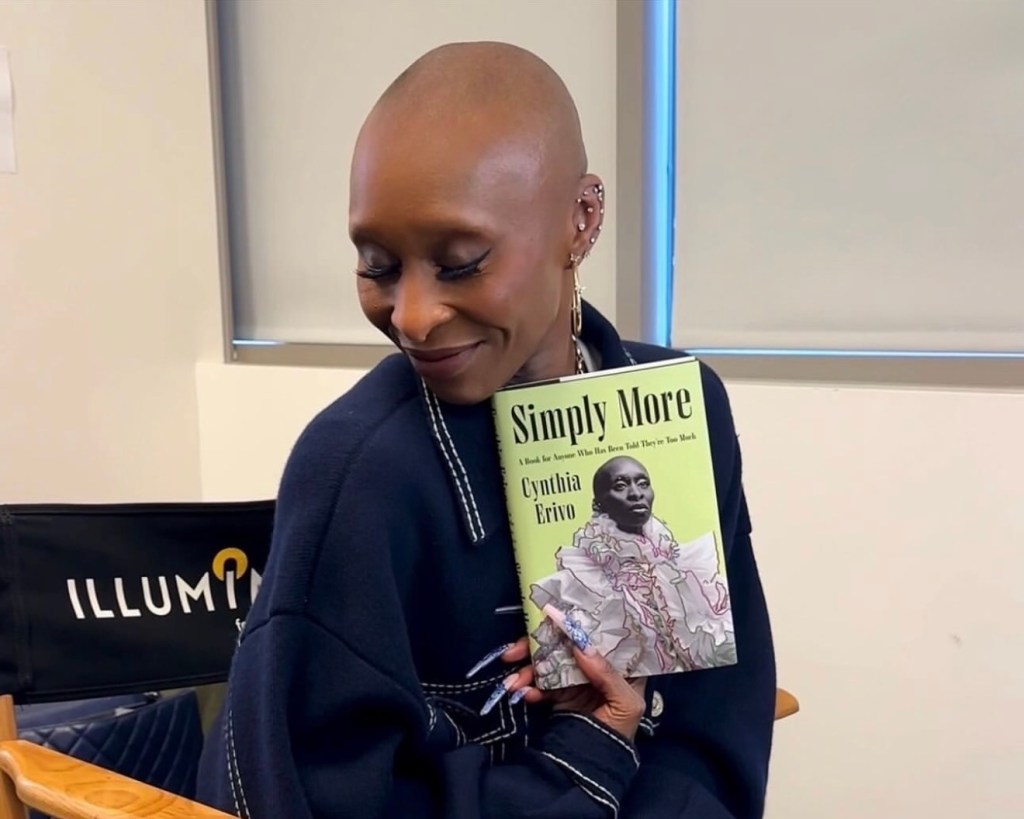
I’ve always known I take up space in ways some people don’t know what to do with. I talk a lot. I feel deeply. When I love something, I love it out loud and without irony. Growing up, those qualities were rarely celebrated. More often, they were framed as things I would eventually need to outgrow. Being called “too much” became less of an insult and more of a quiet instruction: learn how to be smaller.
That feeling followed me into the things I cared about most. Being a fan, being passionate, letting something matter openly was often treated as embarrassing, unserious, or excessive. I learned how to apologize for caring before anyone could question it. Over time, I started to confuse holding back with maturity and silence with self-control — even though the parts of me that wanted to speak and feel never actually went away. They just waited.
Reading Simply More by Cynthia felt like meeting someone who understood that tension perfectly. From the first pages, the book makes it clear that it isn’t about learning how to be louder or more confident on command, but about questioning why so many women are taught to shrink in the first place. Cynthia writes with calm honesty, sharing her journey through a world that often mistakes intensity for “too much” and authenticity for inconvenience.
What stands out in this book is how real it feels. She doesn’t frame her life as a neat success story or act like she’s free from doubt. Instead, she reflects on moments of uncertainty, self-questioning, and growth, showing that becoming yourself is not a single decision but something you keep practicing. The book stays in the uncomfortable spaces — where you want to belong but don’t want to disappear, where you’re praised for your talent but subtly discouraged from your fullness.
Cynthia talks about what it really means to be called “too much.” She shows that it often has less to do with behavior and more to do with other people’s discomfort. There’s a deep compassion in the way she reframes the phrase, not as something to reject angrily, but as something to understand and release. Being expressive, emotional, ambitious, or deeply invested isn’t a flaw — it’s a sign of being fully alive.
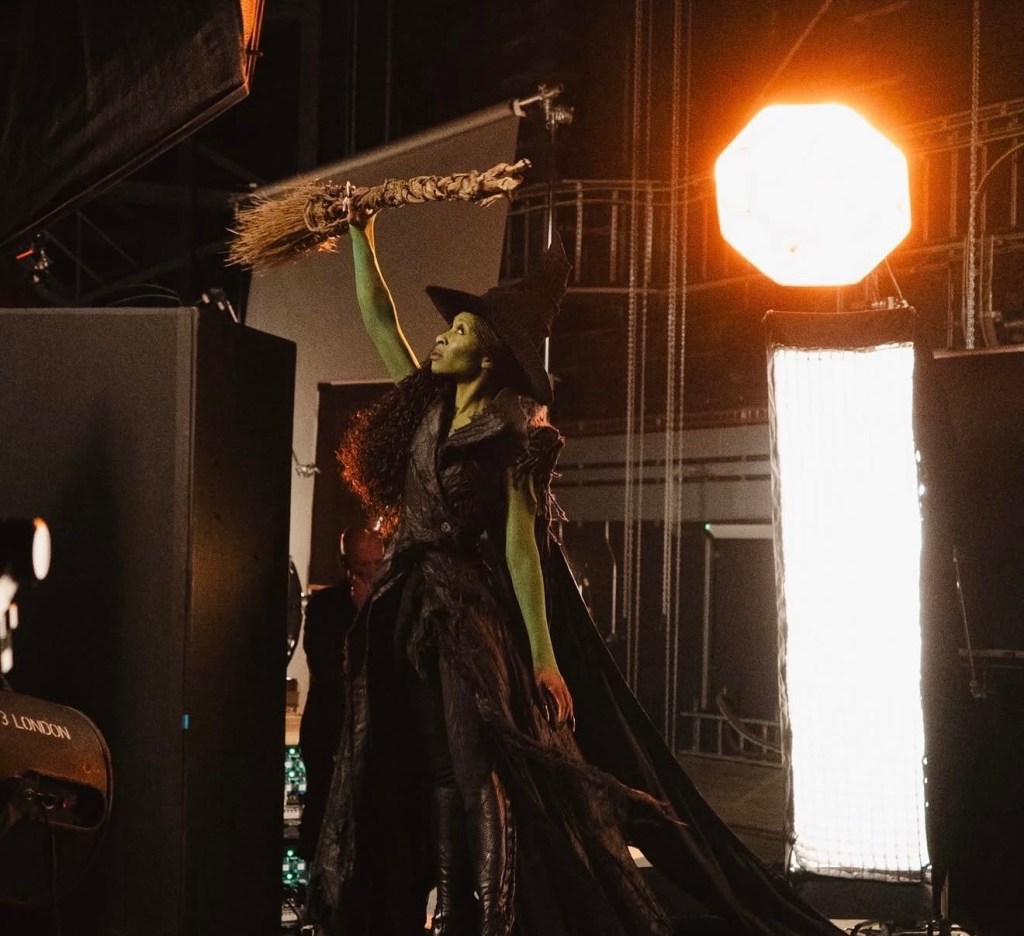
This perspective hits hard in a culture that still expects women to be quiet and likable. Young women are often told to balance endlessly: be confident but not intimidating, passionate but not obsessive, opinionated but not exhausting. Simply More quietly pushes back. It asks why women are so often encouraged to edit themselves — and who that really helps.
Reading the book made me think about how easily passion is treated as something immature. Caring deeply — about art, music, stories, or people — is often treated as “too much” rather than meaningful. Cynthia’s reflections validate that kind of devotion, reminding readers that intensity isn’t something to be embarrassed by, but something that often fuels creativity, connection, and purpose.
What makes the book especially powerful is that it doesn’t offer easy affirmations or hollow encouragement. Cynthia is honest about the fact that choosing not to shrink can have consequences. Not everyone will understand you. Not everyone will celebrate your fullness. But she’s equally clear about the cost of constantly shrinking yourself, and how exhausting it is to live in negotiation with your own instincts.
By the time I finished Simply More, it felt less like I had finished a book and more like I had been reminded of something I already knew but had learned to doubt. The book doesn’t push transformation in the usual self-help way. It doesn’t demand reinvention or performance. Instead, it offers recognition. It asks readers to consider what might change if we stopped treating our natural way of being as something that needs justification.
For young women who have been told— directly or not that they are too loud, too emotional, too invested, or too passionate, Simply More feels like a steady, reassuring presence. It doesn’t promise the world will suddenly make room for you, but it insists that you deserve to take up space anyway. And in doing so, it reframes “too much” not as a warning, but as evidence of a life lived with intention, curiosity, and heart.
 ROARA Magazine