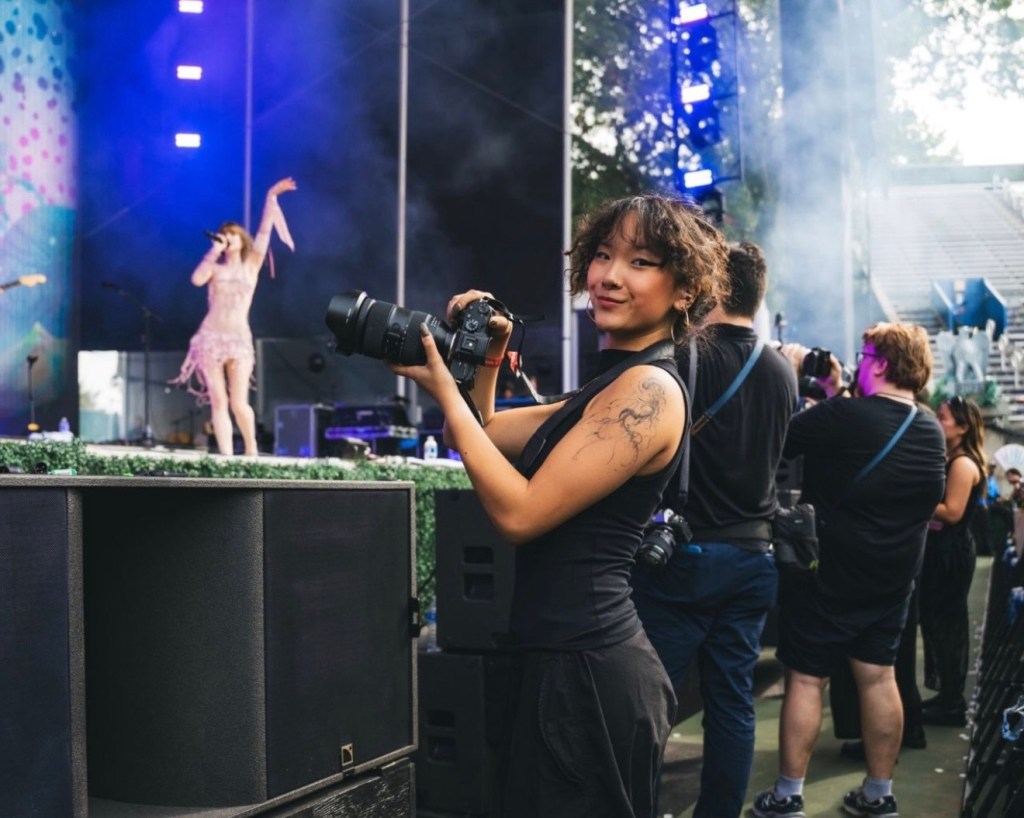
For a long time, being a “fangirl” was synonymous with being dramatic, intense, or unserious. We were told that loving an artist too much was immature, that memorizing dates, lyrics, and interviews was a waste of time. But very rarely did anyone talk about the other side of the story: the women who learned how to dream, organize themselves, and believe in their own voices because of that passion.
I was that fangirl. The one who saved up for concerts, who defended her favorite artist in endless conversations, who found refuge in a song when the world felt too big. And today, with my feet firmly planted inside the entertainment industry, I can say one thing with certainty: none of it was wasted.
Fangirling was never just about admiration. It was about observing how the industry works, understanding narratives, emotionally connecting with creative projects, and – most importantly – finding community. Without realizing it, I was developing skills I now use every day: communication, audience intuition, cultural sensitivity, and the ability to connect stories with real people.
Being a fan taught me that music — and art in general — doesn’t exist in isolation. It lives in the people who feel it. In those who wait for releases, defend careers, build fandoms, and create safe spaces for other women. That’s where I learned something essential: power isn’t always on the stage; often, it lives in the audience that sustains everything.
Over time, that admiration stopped being just consumption and turned into ambition. I no longer wanted only to see my favorite artists succeed—I wanted to be part of that world. I wanted to understand how careers are built, how stories are told from behind the scenes, how an image is protected without losing its essence. What began as love became purpose.
And here’s something important: fangirls are often underestimated because we feel deeply. But feeling deeply is not a weakness. It’s a compass. It’s what allows us to understand what connects, what moves people, and what leaves a lasting impact. In an industry that often prioritizes numbers over people, that sensitivity is a strength.
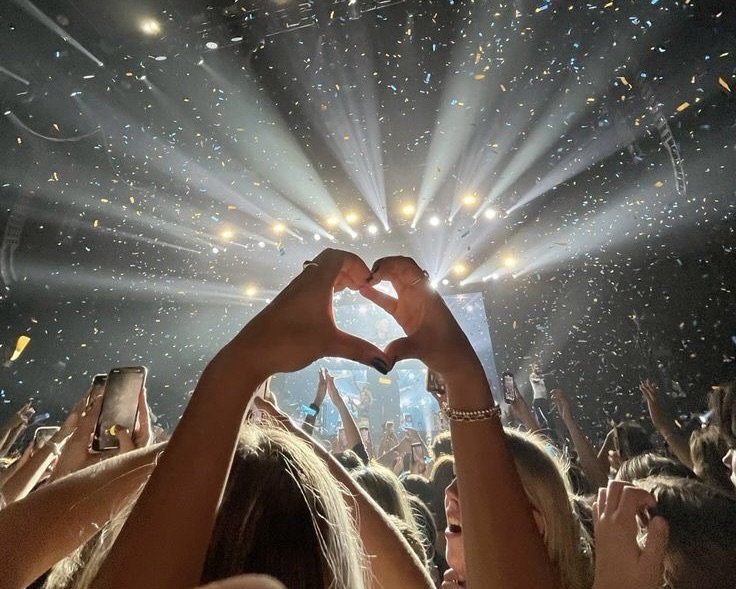
Today, working within the same universe I once admired from afar has taught me that many women arrive here through paths similar to mine. We don’t get here by accident. We get here because we spent years observing, analyzing, and believing. Because we cared when no one took us seriously.
Being a fangirl was never just about loving from a distance. It meant watching how narratives were built, how artists communicated with their audiences, and how communities were formed beyond the music. Years later, when I began working on activations, fan experiences, and public relations projects within the industry, I realized none of that had been accidental. Being part of a fandom gave me a sensitivity you don’t learn in books or meetings: understanding what excites, what disappoints, and what truly connects. In a way, that teenager screaming at concerts was preparing me for the work I do today.
Maybe I don’t scream from the front row anymore, but the emotion is still there. The difference is that now I know that love can also turn into a career, a voice, and power.
So no, fangirls are not exaggerated. We are future creators, strategists, managers, journalists, and leaders. And once we understand that, we stop asking for permission to be here.
Because loving art is also a way of creating it.
 ROARA Magazine