
There’s something magnetic about a woman who refuses to dim her light. The kind who laughs like she’s never been told to be quiet, who posts the photos most people would second-guess, and somehow still shines even when she’s being completely ridiculous. Her presence doesn’t demand attention — it pulls it in. She’s real, grounded, gloriously human. You notice her before you know why. Not because she’s flawless, but because she doesn’t pretend to be. That woman is Zara Larsson.
To her fans, Zara isn’t a pop star in the traditional sense — she’s a living reminder that confidence doesn’t have to be curated. She doesn’t just “stand for” things; she embodies them. Women’s rights, self-worth, honesty online — these aren’t just guiding principles to her, they’re personality traits. What makes Zara different is that she doesn’t perform authenticity for clicks; she just shows up as herself, whether that’s on stage or in sweats on TikTok.
When people talk about her music, their tone changes — lighter, warmer, like they’re recalling a memory they don’t want to end. Zara’s early hits — Lush Life, Ain’t My Fault, Never Forget You — didn’t just soundtrack nights out and messy heartbreaks; they defined a moment. Those songs felt like sunlight bottled for the dance floor. They didn’t beg for depth — they celebrated joy, confidence, and the audacity of feeling good. In a culture obsessed with melancholy and meaning, that was quietly revolutionary.
But time reshapes even the brightest glow, and Zara’s evolution has been electric. Her recent albums — VENUS and Midnight Sun — still shimmer with pop brilliance, but there’s more gravity now. The hooks hit just as hard, but the lyrics cut deeper. You can feel the lived-in confidence of a woman who’s done growing for other people. Zara’s learned that you can dance through heartbreak and heal in heels at the same time — that fun and feeling can coexist, even complement each other.
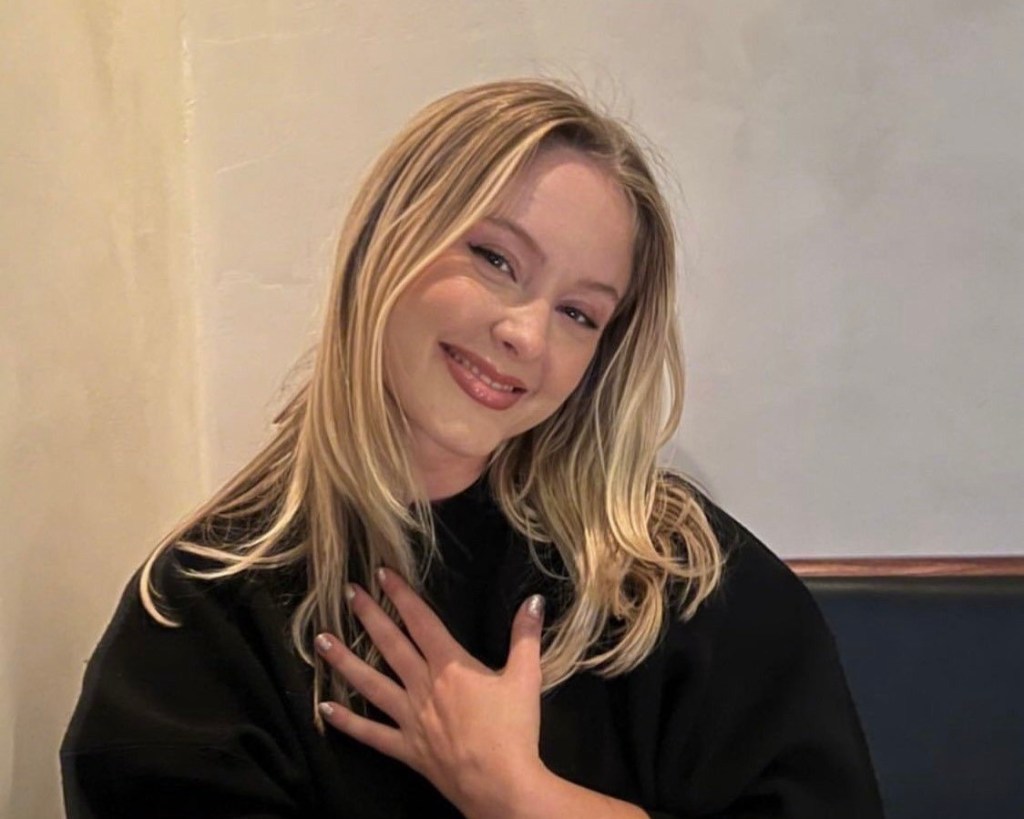
For her fans, growing up alongside her has been like looking in a mirror that matures with you. The girl who once sang about freedom now sings about acceptance — the kind that’s quiet, steady, and self-chosen. Through her, fans learn that you don’t have to abandon your past selves to move forward. You can still carry the 2016 version of you into 2025 — the one who blasted Lush Life in the car, believed in love, and wasn’t afraid to dream. Zara makes growing up feel less like a loss and more like a loop — every version of you still dancing somewhere inside.
What sets Zara apart, though, isn’t just her voice — it’s her voice. The one that tweets without PR filters, jokes at her own expense, and calls out double standards with a smile that says, “try me.” In a digital world where “relatable” is often rehearsed, she’s refreshingly unpolished. She’ll post a no-makeup selfie, clown herself in the comments, and somehow still look like the blueprint. That’s her superpower — not rebellion for rebellion’s sake, but the kind that keeps her sane. She doesn’t perform confidence; she lives comfortably inside it.
Her fans reflect that same energy. The Zara fandom feels less like a fanbase and more like a group chat you never want to leave — warm, messy, supportive, and a little bit chaotic. It’s not about idol worship; it’s about belonging. She’s built a corner of the internet that feels like friendship: full of laughter, honesty, and women hyping each other up.
Of course, the media doesn’t always know what to do with that. A woman this self-assured is still too much for some headlines. Too confident. Too polished. Too everything. But what they call “too much” is actually balance — the rare mix of being media-savvy and authentic. Zara knows how to protect her peace while still giving fans something real. She’s proof that boundaries aren’t barriers. They’re part of the art.
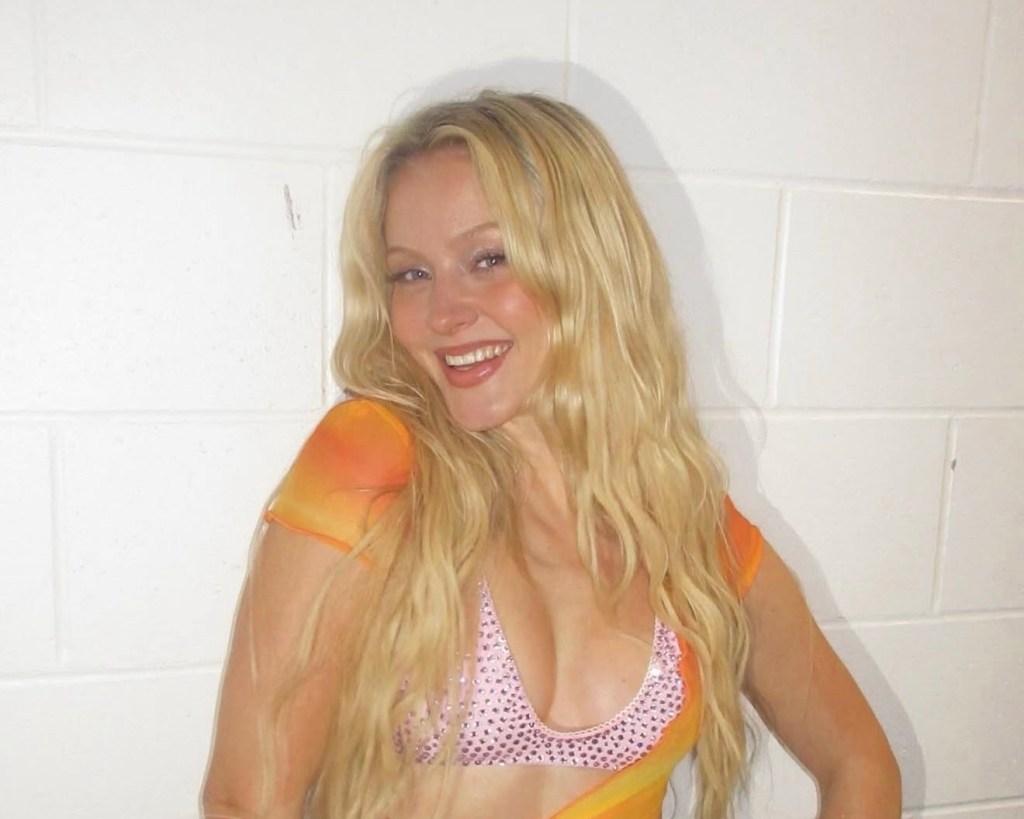
To her fans, she’s the definition of modern strength. The kind that doesn’t need to shout to be heard. She’s living proof that softness can coexist with fire. She can be funny, serious, sensual, and self-aware in the same breath. She can be the life of the party and the one holding your hand when it ends. Zara Larsson isn’t chasing perfection; she’s building peace with herself: publicly, bravely, and beautifully.
Her influence on pop music runs deeper than any chart placement. She’s part of the new era of pop — one that’s playful but political, emotional but free. She’s rewritten what it means to be a “pop girl”: not a product, but a person. Her songs don’t just sound empowering, they are empowerment, set to a beat that makes you believe you could rule the world and still make it home in time for dinner.
And maybe that’s Zara’s greatest legacy. No the hits, but the permission she gives. To laugh louder. To love harder. To post the photo. To forgive your younger self. She reminds her listeners that joy isn’t superficial, it’s fuel. That taking up space isn’t arrogance, it’s honesty.
Zara Larsson doesn’t just exist in the pop frame, she colors outside it, breaks it, and builds her own. She’s proof that the most radical thing a woman can be isn’t perfect, or polite, or predictable. It’s unapologetically, luminously, herself.
 ROARA Magazine