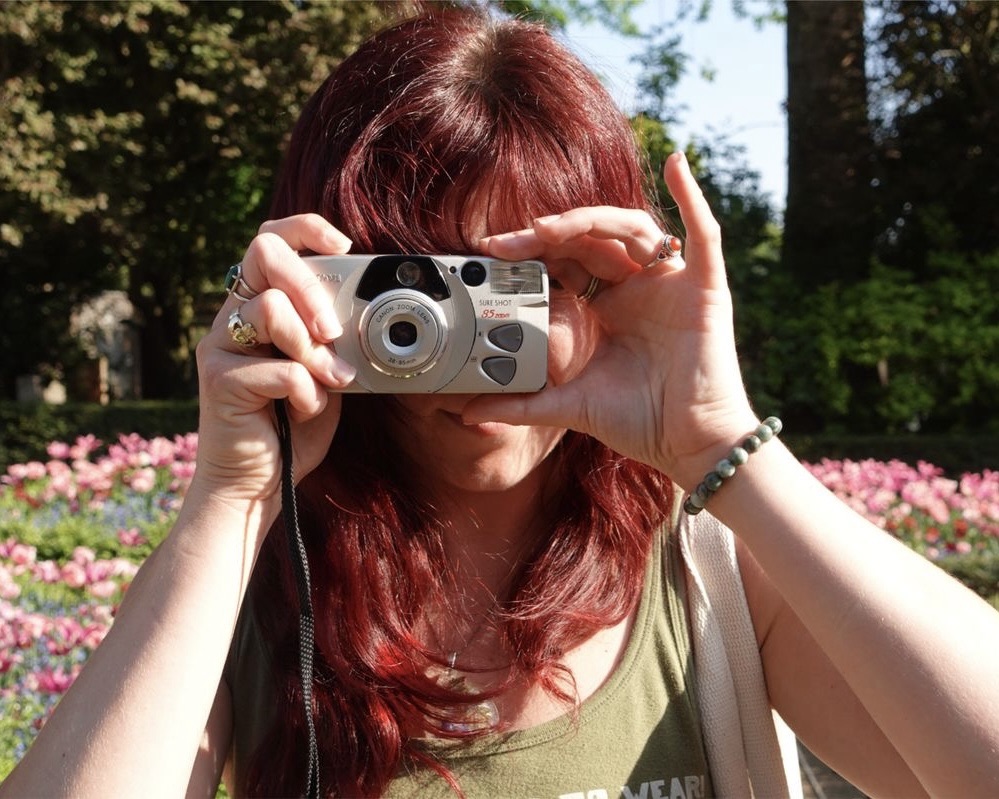
Lately, the internet feels like a scrapbook of memories. On TikTok, “girlhood nostalgia” videos —those montages filled with friendship bracelets, digital cameras, Avril Lavigne songs, and carefree afternoons — are getting millions of views. Suddenly, we’re all remembering what it felt like to be a teenager: the impossible crushes, the intense friendships, the huge dreams… and the insecurities we tried to hide with a little lip gloss and a smile.
But why now? Why this collective desire to go back to those years? Maybe because, in an increasingly uncertain world, remembering our teenage selves is a way to reconnect with a version of us that felt freer. The one who dared to dream without fearing failure, who danced without wondering if someone was watching, who still believed the future could be anything she wanted it to be.
Of course, nostalgia has always been around. But this new wave feels different — it’s not just about looking back with sadness, but with tenderness and validation. It’s a generation of grown women looking at their teenage selves and, instead of mocking them, embracing them. Recognizing how strong they were for surviving the pressure to fit in, the impossible standards, the cruel comments disguised as jokes.
I’ve felt that connection too. There are days when I feel like everything is slipping through my fingers, when I just can’t handle it all. And yet, I think of my 15-year-old self — the version of me who took risks without hesitation, who truly believed she could change the world just by trying. Then I ask myself: if she could do it without fear, why can’t my 25-year-old self do the same? Remembering her gives me strength. It’s like a quiet conversation between my past and my present.
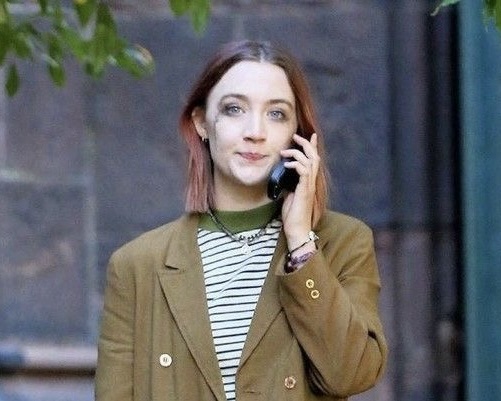
Part of this phenomenon also comes from pop culture. Movies like Lady Bird or Booksmart, and series like The Summer I Turned Pretty, have shown a version of girlhood that’s less perfect and more real—one where girls don’t just fall in love, they also discover who they are. And now, artists like Olivia Rodrigo, Sabrina Carpenter, and Billie Eilish channel that same energy: lyrics that capture the confusion, anger, sweetness, and vulnerability of growing up as a woman.
From my perspective, this trend teaches us something valuable: romanticizing our teenage years doesn’t mean denying how hard they were. It means recognizing their importance. Sometimes, idealizing that time is just a way of healing—of looking back and saying, “You did your best.” And that, in itself, is empowering.
Many of us are also reclaiming hobbies, styles, or passions we left behind because we thought they were “too childish.” We’re painting again, wearing pastel colors, journaling, or collecting small things that make us happy. In a world that demands constant productivity, reconnecting with that sense of innocence can actually be an act of rebellion.
So yes, maybe we’re all romanticizing our teenage years. But maybe that’s not such a bad thing. Maybe we’re rewriting the story. It’s not about going back —it’s about reconciling with the girl we once were, and allowing her to live within the woman we’ve become. Because growing up doesn’t mean leaving her behind. It means learning to walk beside her.
 ROARA Magazine