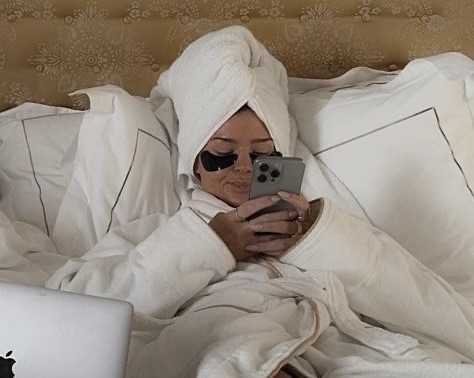
Before a song charts, before a music video drops, before a rollout even starts, it’s already being picked apart in the group chat. Someone’s seen a snippet, heard a tease, or caught a cryptic caption, and the convo is already flying. Welcome to modern music strategy — powered by your best friends in a WhatsApp thread at 1am.
The truth is, younger generations — millennials and Gen Z especially — have flipped the script on how music breaks. We don’t wait for press releases or carefully curated marketing campaigns to tell us what’s hot. We’re in group chats, on Twitter, in TikTok comments, reacting in real-time to every rollout, snippet, and vibe shift. A 10-second tease is enough to trigger a full-blown discussion about sound direction, strategy, and what’s going to actually connect. And here’s the kicker — more often than not, we’re more in tune than the team getting paid to do the job.
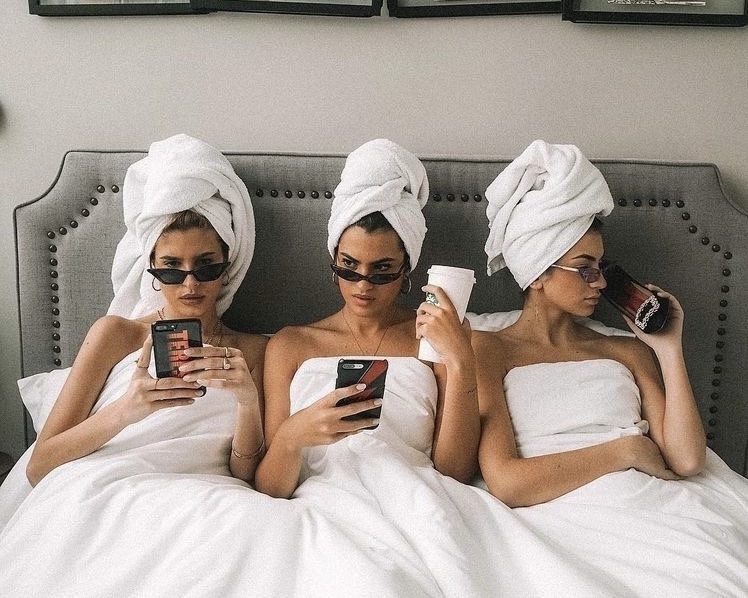
Because who knows better what works than the actual audience the artist is trying to reach? We’re not guessing. We’re living it. We know what feels authentic, what’s about to trend, and what’s being pushed too hard. We can tell when something is being made for the charts vs. made from the heart — and more importantly, we know which one we’re going to care about.
It’s not just about sharing songs anymore. It’s about sharing strategies. We’re talking, “If she teased this on TikTok with a specific aesthetic, it would go off,” or “This needs to be a summer anthem, they’ve got six weeks to make it happen.” We talk engagement, momentum, tour strategy, and sonic direction — all while sending memes and voice notes mid-scroll. We’re basically unpaid consultants with elite taste.
And this isn’t just about being fans — it’s about being tuned in. Music fandom today is smart, critical, emotionally invested, and lowkey genius. We’ve grown up watching artists navigate careers in real time. We’ve seen what works, what flops, what connects, and what feels forced. So when we say, “This should’ve been the lead,” or “Why wasn’t this sent to radio in the UK?” — it’s not noise. It’s insight.
Artists would actually do well to listen. Because these conversations — the ones happening between fans, in DMs and texts and Discords — are more influential than they look. They’re early reactions, mini focus groups, pure instinct. They’re also where the hype starts. When we’re in, we’re in. When we’re not, no PR campaign can save it.

And maybe that’s what makes this so exciting — the power shift. It’s no longer just labels calling the shots. It’s not just data or budgets. It’s us. The younger generations who’ve grown up online, who love music deeply, and who have the confidence (and receipts) to back up our takes. We’ve been building our own music culture in the background — no job titles needed.
In fact, forget unpaid consulting — the teams behind these artists should actually be hiring us. Build departments full of plugged-in fans who understand the culture and the audience because they are the audience. We’re not “just fans” anymore. We are the strategy. We are the pulse. We are the industry.
So yeah, we might not be A&R on paper, but if you looked inside our group chat, you’d think otherwise. We’re discussing tracklists, tour visuals, and engagement strategies like we’re in the war room. And more often than not? We’re right. Because we are the audience. We are the culture. And we’re no longer just consuming music — we’re steering it.
 ROARA Magazine