The music industry has never been kind to women who want full control – not just over their music, but over their very voices. For decades, female artists have poured their souls into songs only to find their work owned, stalled, or manipulated by others. The fight for ownership isn’t just about contracts or money – it’s about dignity, identity, and the right to tell your own story on your own terms.
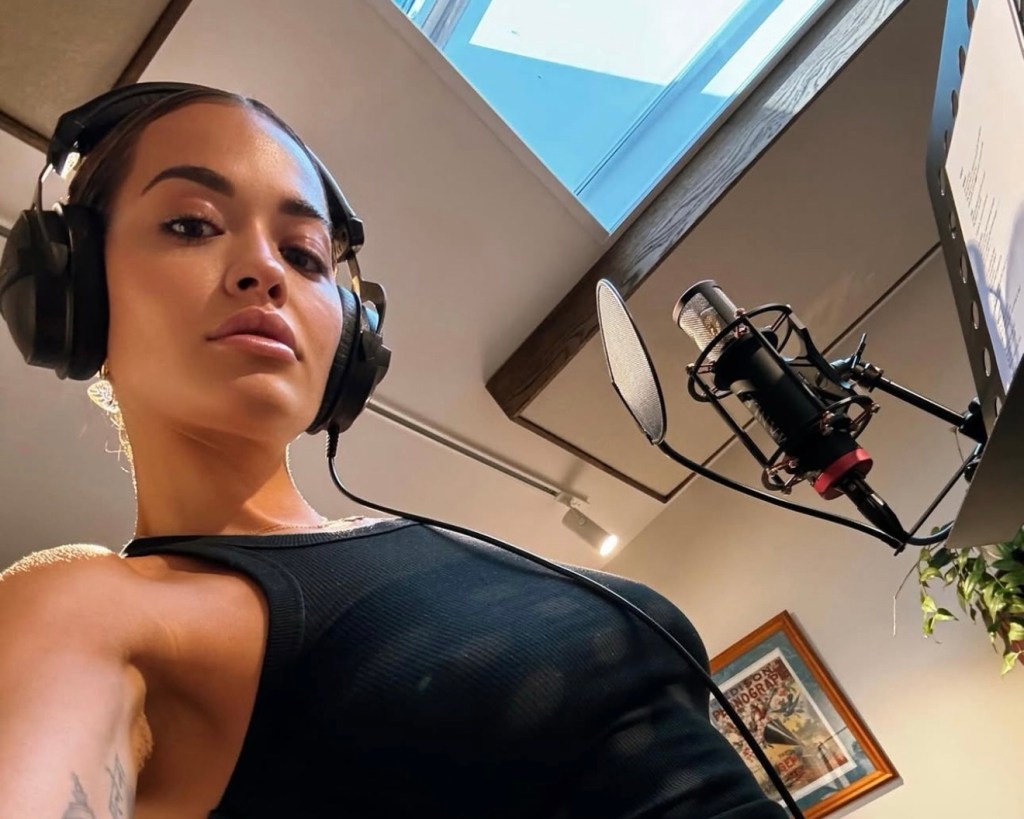
Few journeys show this struggle as clearly as Rita Ora’s. Signed young to a major label, Rita’s debut album launched her into the spotlight almost overnight. But behind the scenes, her career was stalled – her follow-up album delayed, her music trapped in a system that no longer prioritized her voice. For years, she fought to be heard, to be valued, and to release the music she was creating.
Her song Soul Survivor cuts straight to the heart of her experience:
“It’s been seven long years fighting for your attention.”
Those words speak volumes – not just about industry hurdles, but about the emotional toll of feeling sidelined and overlooked. Rita’s story is one of resilience and refusal. She emerged from that difficult chapter stronger, reclaiming her music and her voice on her own terms. Her journey reminds us that sometimes, owning your voice means fighting fiercely for the right to be heard.
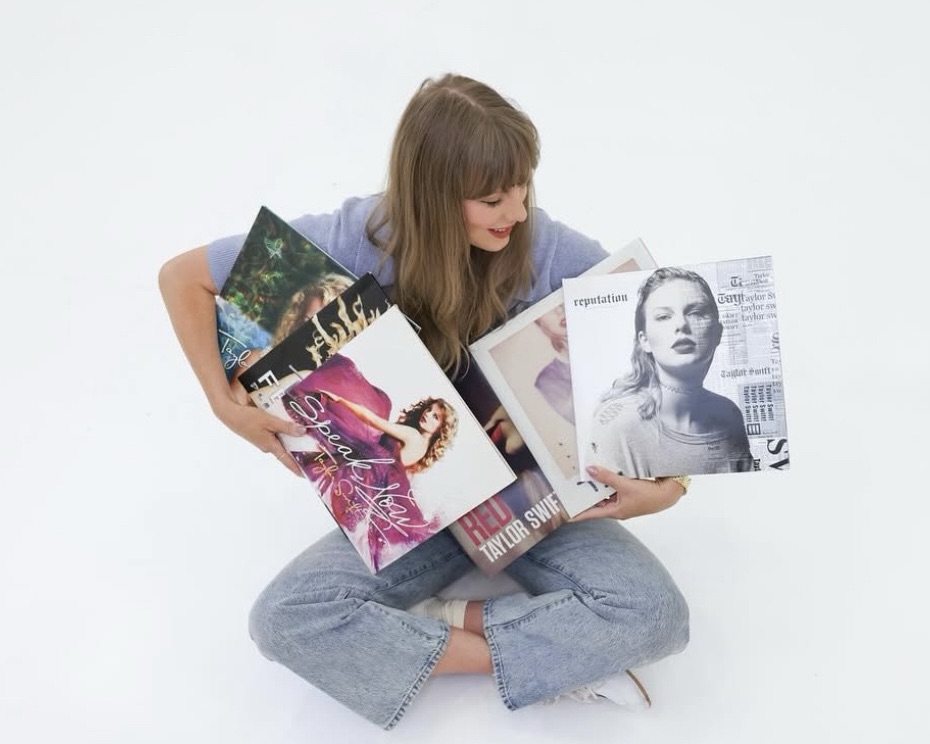
From Rita’s hard-won freedom, the spotlight shifts to a different kind of battle – a blazing declaration from Taylor Swift. Her story unfolded under the unforgiving glare of public attention. Taylor wasn’t just fighting for ownership; she was redefining what it means to own your past, your present, and your future.
When her masters were sold without her consent, it wasn’t just a business deal – it was a personal violation. Instead of bowing to the inevitable, Taylor took a revolutionary approach: she re-recorded every single album. Each “Taylor’s Version” wasn’t just a re-release – it was a reclaiming of identity and artistry. And in a powerful full-circle moment, Taylor has now bought back her masters, truly owning her music and her voice again – something almost unheard of in the industry.
Her fight was loud, strategic, and unapologetically bold – showing every woman that ownership isn’t given; it’s taken.
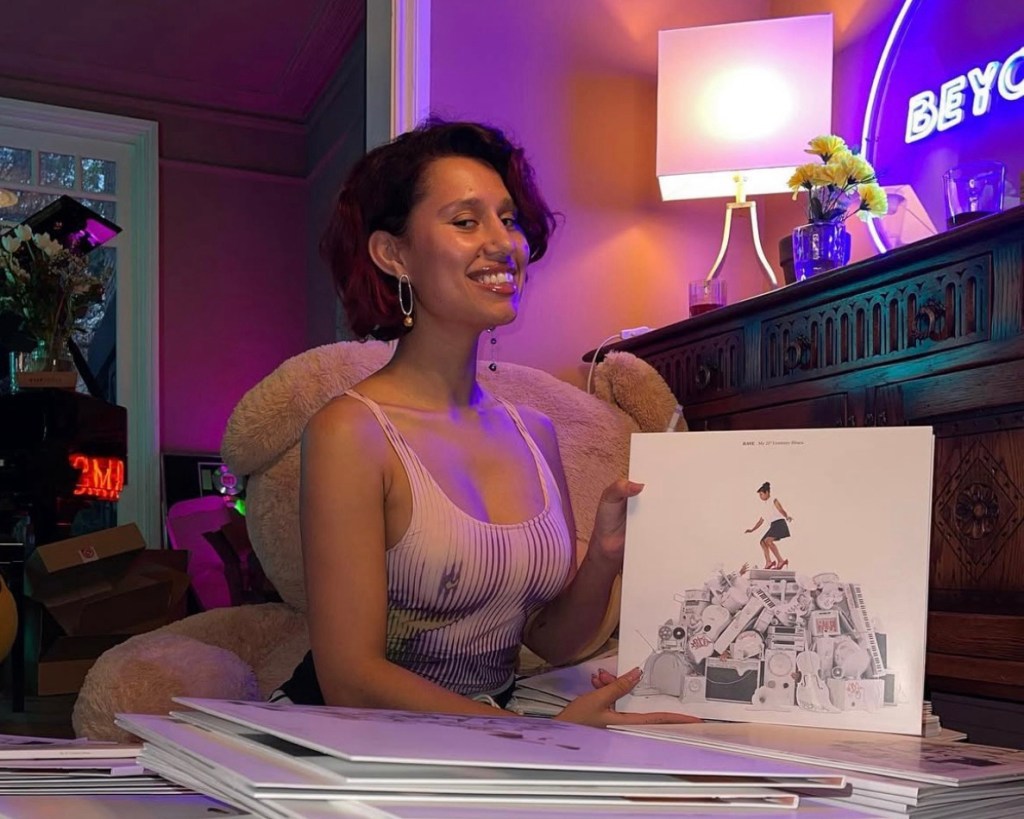
And then there’s Raye – the newest voice in this chorus of defiance. Even though she’s been around for a while. Her journey is perhaps the most visceral, a raw and unfiltered look at what happens when an artist’s voice is silenced in real time.
Signed young and writing hits for others, Raye found her own album endlessly delayed. Instead of waiting quietly, she took her story public, calling out the system that kept her in limbo. Walking away from her label, she released My 21st Century Blues independently – a stunning, fierce record that poured out years of pain, frustration, and ultimate freedom.
Raye didn’t just reclaim her voice – she roared for all the women still waiting in the wings, proving that taking back ownership means breaking chains that have held generations down.
Three women. Three different battles – each unique, but all united by the same refusal to be controlled.
This isn’t just a story about music. It’s about power, autonomy, and the fight every woman faces when she dares to own her voice in a world determined to own her instead.
Owning your voice isn’t about waiting for permission. It’s about standing up, stepping forward, and claiming what’s rightfully yours.
And these women? They didn’t just claim it – they own it.
 ROARA Magazine