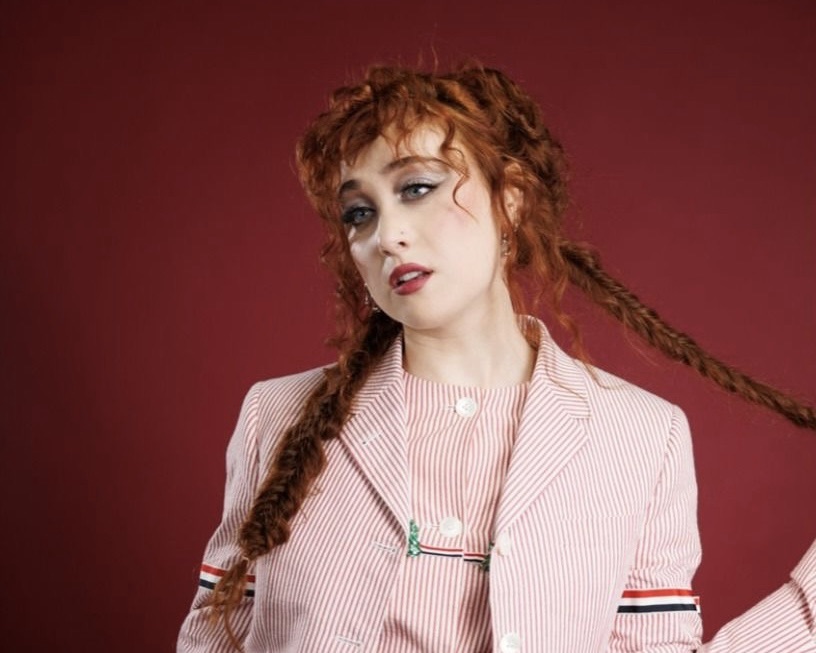
There are artists, and then there are phenomena – the kind that don’t just create music but shift the air around them. They turn stages into sanctuaries, choruses into confessions, and pop music into something bigger than entertainment. Chappell Roan is one of them.
Her presence isn’t just visual – it’s instinctive. The way she holds herself on stage, the way she speaks between songs, even the way she looks into the crowd – it all carries the weight of someone who has earned every inch of her spotlight. She doesn’t perform for applause; she performs like she’s casting a spell, creating a shared moment of relief between herself and every person in the room.
To witness her is to step into a fever dream of color, confidence and queerness – a world where glitter is armor, theatrics are sacred, and being loud isn’t just accepted, it’s celebrated. She arrives in full camp regalia, a vision of exaggerated makeup and extravagant costumes, like a character pulled straight from a queer fantasy. But underneath the rhinestones and rebellion is something even more striking: a woman who refuses to be anything but herself.
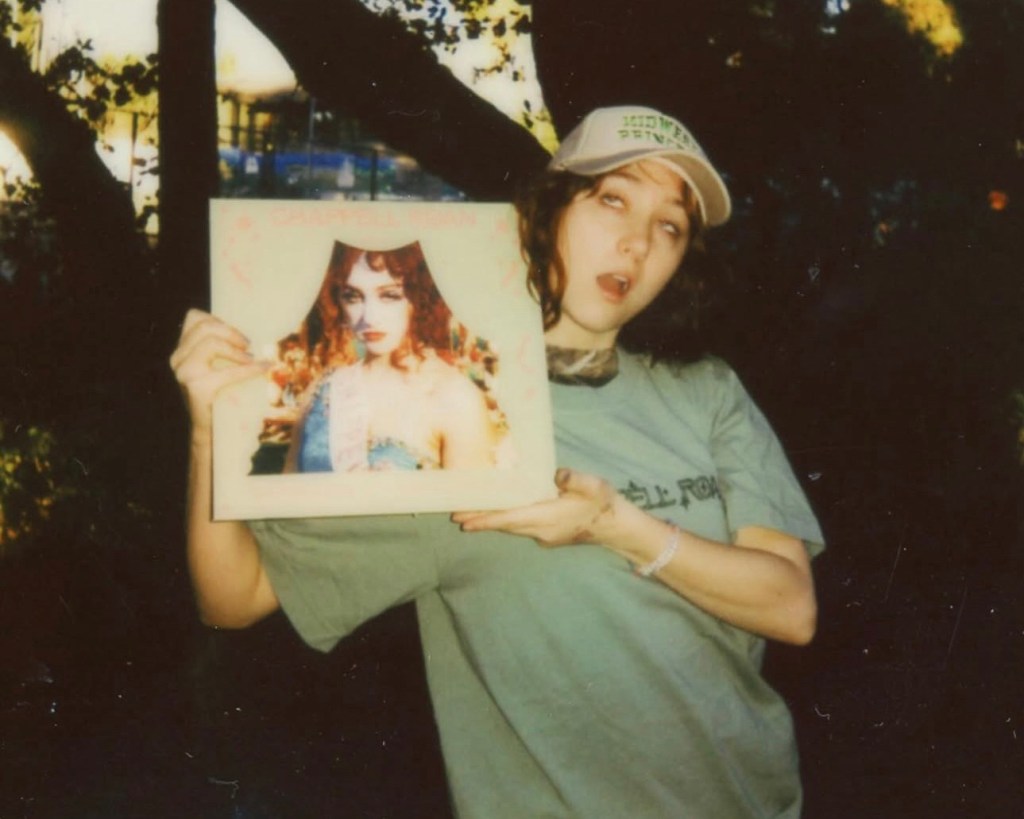
For so many, she is more than a musician. She is a lifeline. Some found the courage to come out because of her music, her presence, her unwavering confidence in her own identity. Others look to her as a reminder that confidence isn’t something you’re simply born with – it’s something you step into, something you grow into, something you claim as your own. There’s a freedom in the way she moves through the world, unapologetic and unafraid, and in doing so, she shows everyone watching that they, too, can exist just as boldly.
Her songs aren’t just catchy – they are revelations. Every lyric, every beat, every confident, electrifying moment is laced with a kind of liberation that makes people feel seen. It’s not just about the music, the style, or the spectacle – it’s about the permission she gives others to take up space. To be dramatic. To be theatrical. To exist in the fullest, most exaggerated version of themselves and know that they are worthy of love, success and celebration.
At her shows, something transformative happens. Strangers become community, fans become family. People come dressed not just to impress, but to express – in sequins, lashes, leather and lace – shedding layers of shame they may have carried for years. Her concerts aren’t just performances; they’re queer rituals, safe spaces where people finally feel seen in the bright light instead of the shadows. The music is the spark, but it’s the shared energy, the collective scream-singing, the full-body joy that turns it into something sacred.
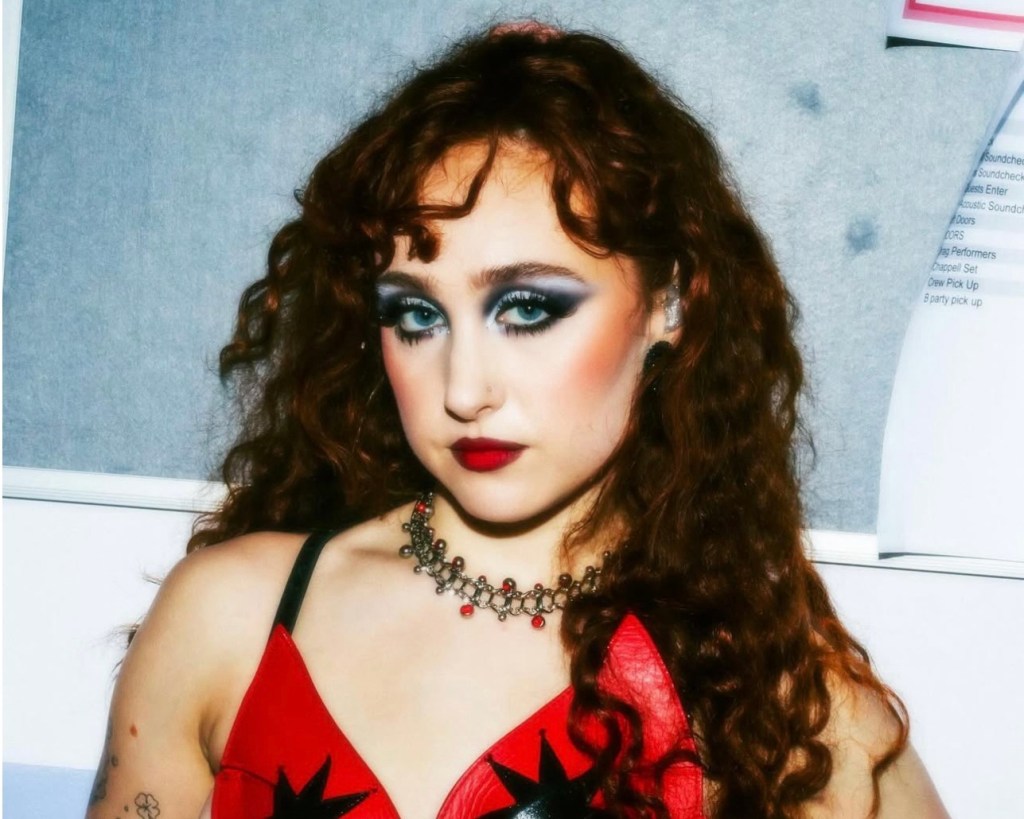
But what many don’t see is how hard she fought to get here. The journey wasn’t effortless. It wasn’t handed to her. She wasn’t crafted by the industry or plucked from obscurity and molded into what she is today. She built this. She started by uploading YouTube covers as a teenager before she ever stepped onto a stage. She worked for years, pushed through judgment and refused to compromise her vision. She never once lost the essence of who she is and that’s why she matters.
Because in an industry that often demands perfection, she chooses honesty. She sets boundaries. She says what she thinks. She is intense, bold and gloriously free and she doesn’t shrink herself for the comfort of others.
More than anything, she creates belonging. For the ones who never quite fit in, the ones who were told they were “too much,” the ones who thought they had to dim their light just to exist – she is proof that they don’t. Proof that you don’t have to fit a mold to be successful. Proof that taking up space is a right, not a privilege. Proof that the weird kids, the queer kids, the ones who never quite fit in – they don’t just belong in pop music. They define it.
Chappell Roan has taught us that identity is fluid, that self-discovery never has an expiration date, that rewriting your own story is not just possible, but powerful.
 ROARA Magazine