For decades, the music industry has capitalized on female pain, turning the “sad girl” into a marketable aesthetic. It was an image ready for consumption – sadness dressed up as an aesthetic, soft voices singing about heartbreak, all wrapped in a picture-perfect persona. But something has shifted. What once felt like an empty commercial strategy has evolved into a movement of empowerment. Vulnerability is no longer a weakness; it’s a declaration of authenticity.
Of course, criticism remains. Some argue that artists like Billie Eilish, Olivia Rodrigo and Gracie Abrams are being exploited – that their sadness is packaged and sold as just another product. And to some extent, they’re right. Sadness does sell – but the real story is how these women have taken back control, turning their pain into power and refusing to be anyone’s product. They are not passive figures molded by the industry. They are storytellers, turning pain, heartbreak, and anguish into connection, healing, and ultimately, power.
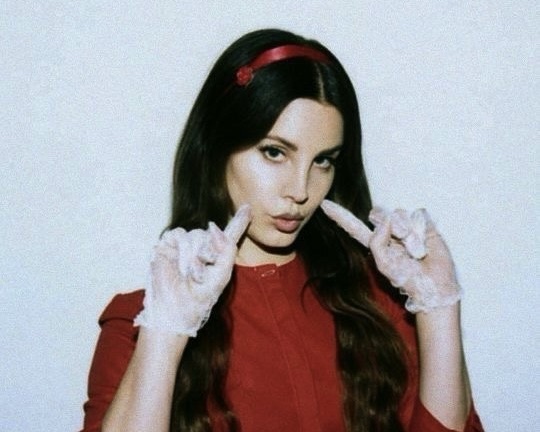
Lana Del Rey was among the first to face these critiques. Her nostalgic aesthetic and sorrow-filled lyrics made her the poster child for the modern “sad girl.” But wasn’t she the one who constructed that image? Inspired by noir films, poetry and vintage Americana, she crafted a persona that pushed against traditional expectations of women in music, transforming sadness into a form of rebellion. She didn’t just embody vulnerability – she made it her own, reshaping what it meant for women to express grief and longing.
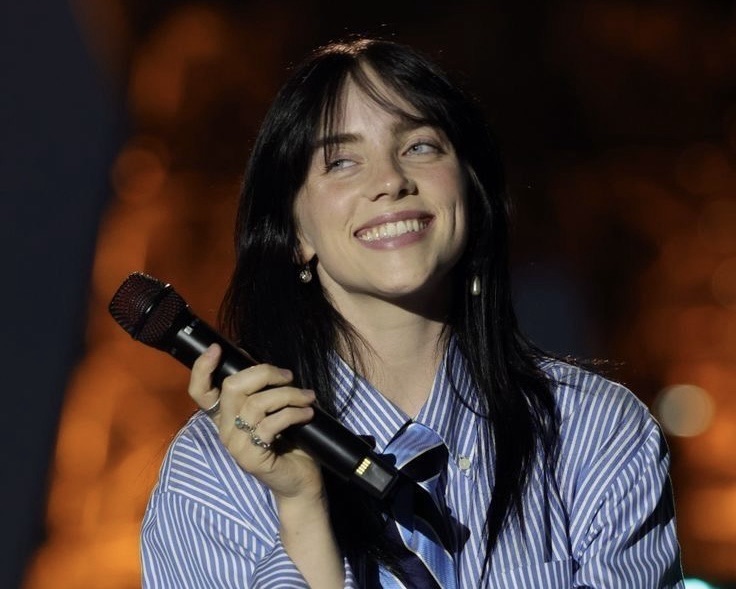
Then came Billie Eilish, redefining pop with her soft vocals and oversized clothes – rejecting the industry’s usual standards of sexualization. Her debut album, When We All Fall Asleep, Where Do We Go?, did more than showcase her dark, introspective style; it set a new precedent for young artists refusing to conform. Her sadness wasn’t just aesthetic – it was raw, personal and deeply relatable, striking a chord with a generation tired of polished perfection. Eilish’s influence extends beyond music, impacting fashion, body image and the way we perceive individuality in pop culture. She made being different not just accepted, but celebrated.
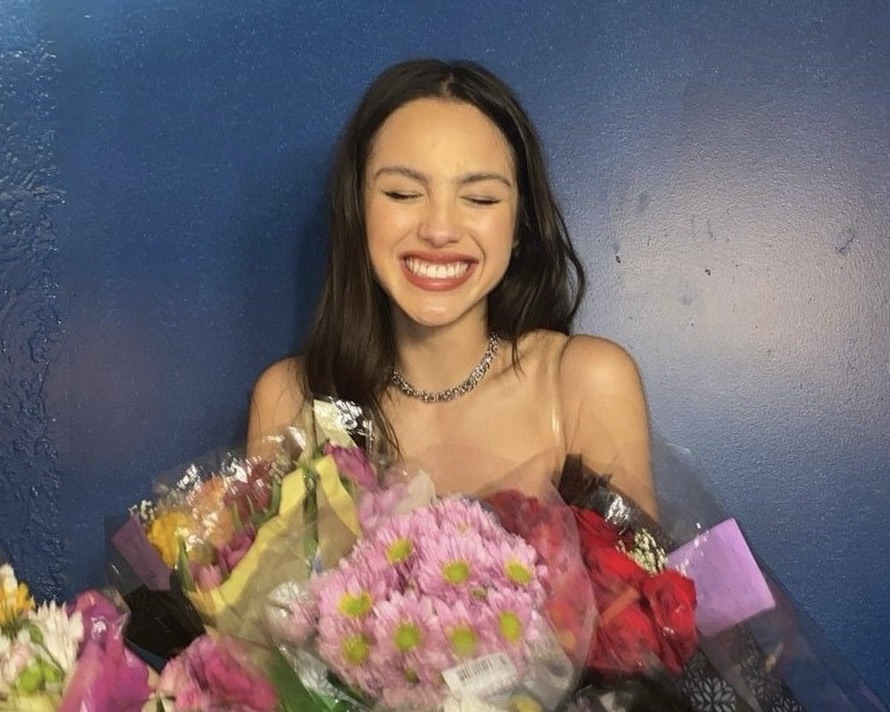
Now, Olivia Rodrigo has carried the torch into a new era. SOUR and GUTS may be drenched in heartbreak, but they’re also filled with rage, frustration and self-discovery. Rodrigo is not just the “sad girl” – she’s the one who shouts back, who refuses to be silenced, who transforms pain into catharsis. Her music doesn’t wallow; it fights back. She speaks for those who have been underestimated, using her platform to challenge expectations of how young women should behave, what they should feel, and what they should say.
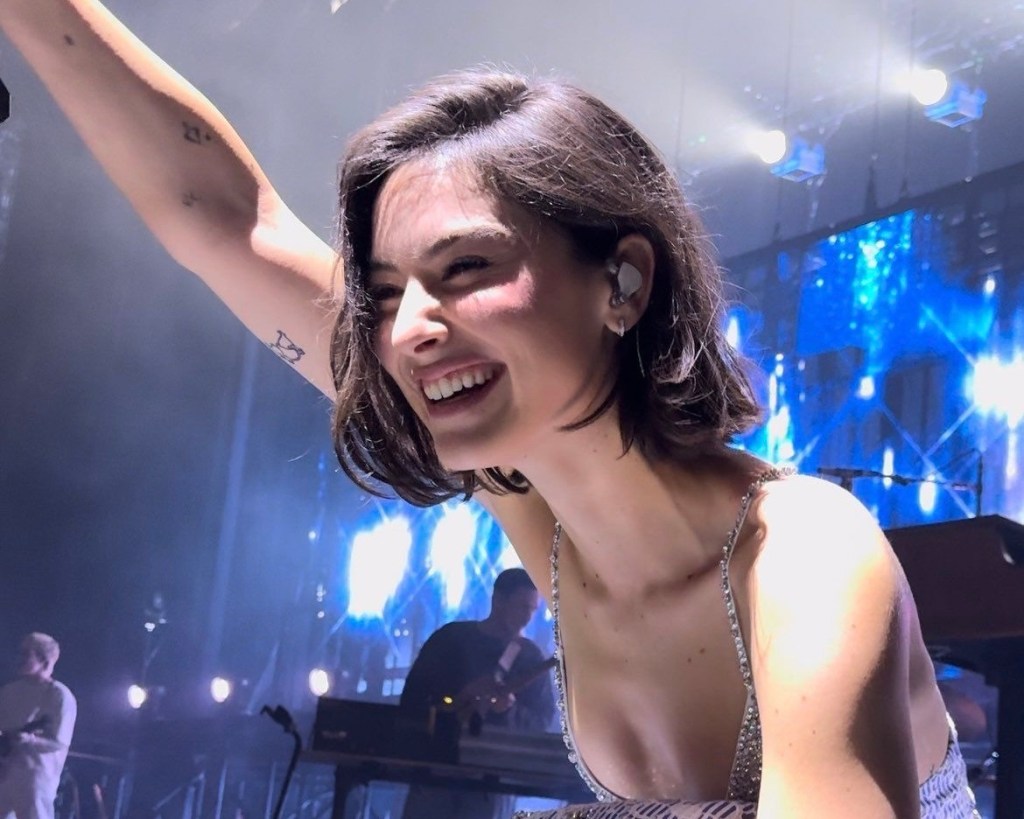
And then there’s Gracie Abrams, whose quiet, confessional style adds another layer to the ‘sad girl’ narrative. While Rodrigo screams her heartbreak, Abrams whispers hers, turning soft, unfiltered emotions into songs that feel like diary entries. Albums like Good Riddance capture the rawness of regret and longing, giving voice to the quieter, more reflective side of sadness. If Rodrigo is the sound of rage, Abrams is the sound of rumination – both equally powerful in their own way. Her emotional honesty adds a dimension to the ‘sad girl’ narrative that feels personal and intimate, giving fans a space to connect with her vulnerability on a deeper level.
But why does this music resonate so deeply? The answer lies in the fans. The young women singing these songs aren’t just listening – they’re hearing their own heartbreak, self-doubt and rage echoed back at them. It’s more than music; it’s validation. Heartbreak, self-doubt, anger, longing – all are given a voice, a validation that mainstream culture often ignores. These artists have built spaces for their fans, where emotions are acknowledged and shared. Fans aren’t just passive listeners; they actively engage, creating communities of support and solidarity. The “sad girl” is not just a performer; she is a reflection of her audience’s own struggles and triumphs, a mirror of their inner worlds. And together, they’re reshaping what it means to be vulnerable in a world that often shuns it.
This is where the narrative truly changes. It’s not just about sadness selling – it’s about how these artists have turned vulnerability into a form of resistance. They have created spaces where young women can see themselves, where emotions are acknowledged rather than dismissed. If the industry profits from it, so do they – because they own their stories, shaping them into something meaningful rather than being shaped by others.
This isn’t just about selling sadness anymore – it’s about turning vulnerability into strength, pain into protest and quiet suffering into a loud, unstoppable movement. The ‘sad girl’ isn’t a product – she’s a force.
 ROARA Magazine