In today’s music industry, women are more visible than ever, but visibility doesn’t necessarily mean equality – especially when factors like race, body size and sexual orientation come into play. Intersectional feminism, a concept introduced by Kimberlé Crenshaw, emphasizes that different aspects of identity, such as race, class and gender, intersect to create unique experiences of discrimination. This idea is especially relevant in music, where women of diverse backgrounds often face multiple layers of inequality.
Lizzo has become a powerful voice for body positivity, self-love, and confidence. With hits like Juice, she challenges narrow beauty standards in an industry where appearance often overshadows talent. But Lizzo’s fight isn’t just about celebrating her body—it’s also about addressing the challenges that come with being a plus-sized Black woman in a society that promotes Eurocentric ideals of beauty.
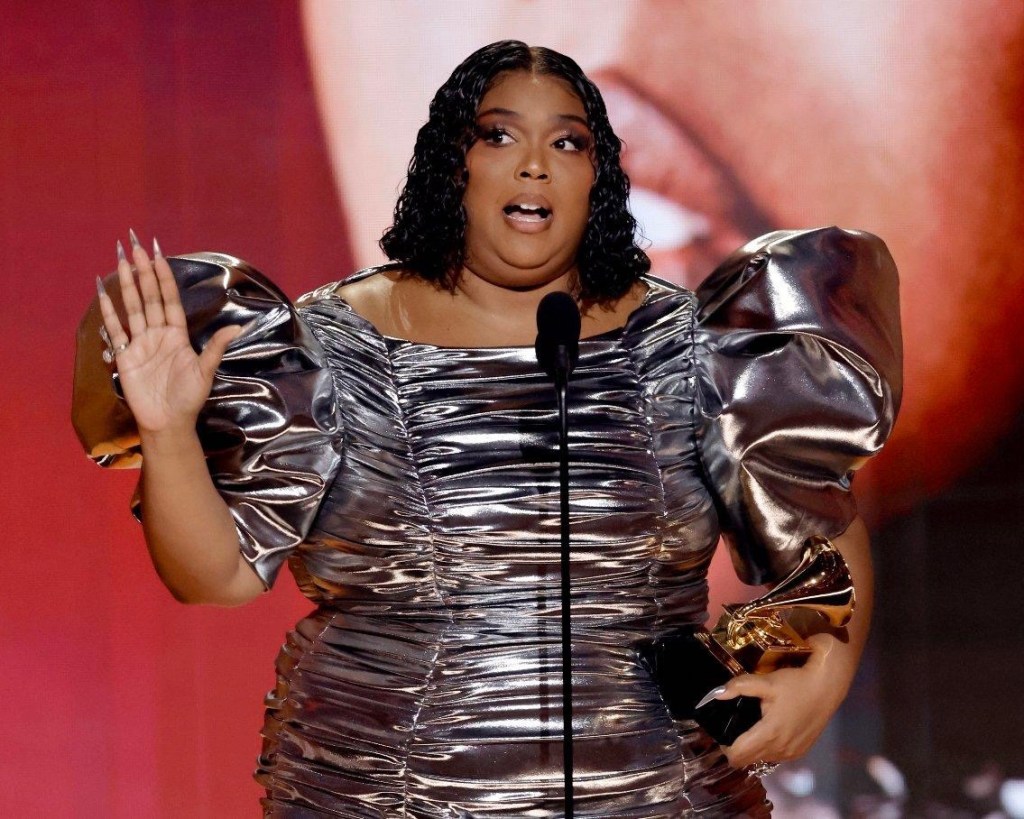
Her unapologetic confidence and success challenge these norms, but not without facing significant backlash. Lizzo’s visibility has sparked criticism, not for her music, but for daring to exist as herself. The scrutiny she faces highlights the intersections of body, race, and gender in the industry. By standing tall in the face of it, she sends a message that the fight for feminism must include body diversity and challenge the toxic standards that marginalize women like her. Lizzo’s resilience inspires women to follow their own paths and proves that self-acceptance and success can coexist.
Raye’s debut album, My 21st Century Blues, delves into themes of feminism, trauma and survival, rooted in her own struggles within the music industry. As a woman of color, Raye’s fight for creative freedom wasn’t just about artistic expression – it was about breaking through systemic barriers. She’s spoken openly about the challenges she faced in gaining control over her own music, reflecting the industry’s tendency to limit the voices of marginalized artists.
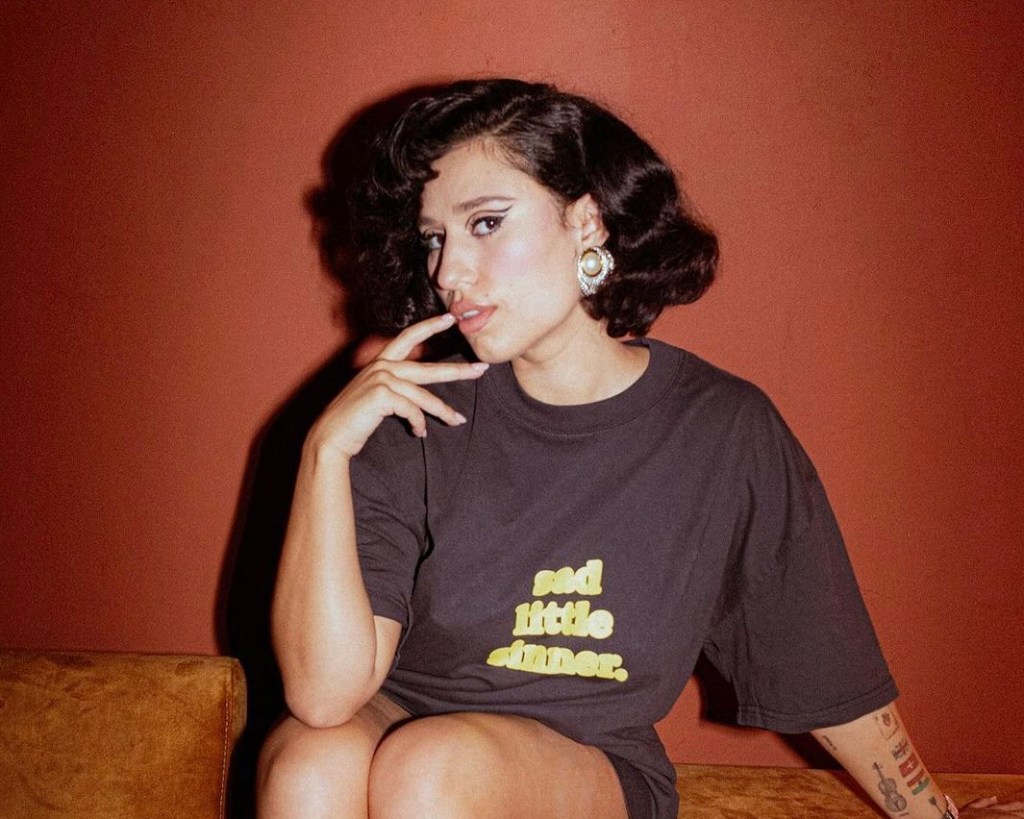
Her journey is emblematic of the broader issues women face in an industry that still prioritizes control over empowerment. Raye’s decision to leave her label and pursue an independent path is a bold rejection of a system that often stifles the creativity of women, particularly those of color. Her story is a reminder that intersectional feminism isn’t just about equality – it’s about dismantling the systems that keep certain voices from being heard. Like Lizzo, Raye’s determination sends a clear message to her fans: the journey may be hard, but the fight for autonomy and recognition is worth it.
Rina Sawayama, a queer Asian-British artist, exemplifies how intersecting identities can create unique challenges in the music world. As someone who exists at the intersection of race, sexuality, and nationality, Rina has had to fight for her place in a predominantly Western, white, and heteronormative industry. Her music, such as the album Sawayama, tackles issues of identity, empowerment, and self-acceptance.
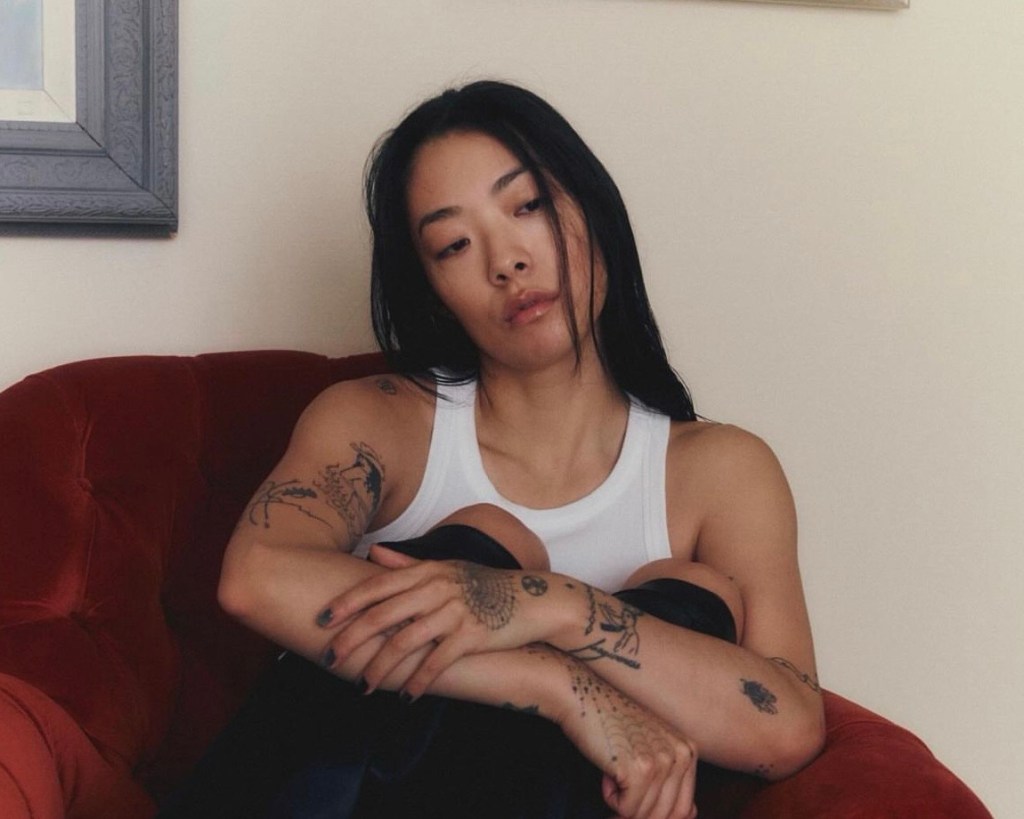
Rina’s journey is a clear reflection of how intersectionality plays out in real time. As an Asian woman, she has faced exoticization and as a queer artist, she has had to push against the industry’s narrow definitions of what queer representation looks like. Through her work, she’s not only expanding the conversation about identity in music but also making space for future artists who don’t fit into conventional molds. Her courage to be unapologetically herself empowers women who are trying to break into the industry, showing them that they can succeed while staying true to their identities.
What makes these three artists even more remarkable is how they inspire others. Lizzo, Raye, and Rina Sawayama are examples of resilience for women around the world, especially those aspiring to enter the music industry. Despite facing criticism and systemic barriers, they have continued to pursue their dreams, and in doing so, they’ve paved the way for future generations of female artists. Their success isn’t just about chart-topping hits or fame; it’s about showing their fans that perseverance, self-belief and embracing who you are can lead to breakthroughs. They remind women that even in the face of adversity, their voices matter – and that they, too, can achieve greatness on their own terms.
 ROARA Magazine