The Eurovision Song Contest stands as a vibrant celebration of diversity, culture, and music. Over its illustrious history, female performers have played a pivotal role, leaving an indelible mark on the contest’s legacy. In this article, we delve into the evolution of female representation in Eurovision, exploring the triumphs, challenges, and enduring impact of women on the Eurovision stage.
Throughout the history of the Eurovision Song Contest, female performers have consistently captivated audiences and left an indelible mark on the competition’s rich tapestry of music and culture. From the soaring ballads of yesteryears to the infectious pop anthems of today, women have not only participated but have often dominated the stage, claiming victory with their exceptional talent, charisma, and innovation.

Iconic female winners such as Celine Dion, Loreen, and Helena Paparizou have etched their names in Eurovision history. Celine Dion’s mesmerizing performance of Ne partez pas sans moi in 1988 launched her illustrious career, while Loreen’s electrifying rendition of Euphoria in 2012 revitalized interest in the contest and inspired a new generation of artists. Loreen’s double victory, having won in 2012 and last year with Tattoo, underscores her exceptional talent and enduring impact on Eurovision.
Similarly, Helena Paparizou’s historic win in 2005 with My Number One marked a pivotal moment for Greece and Eurovision, solidifying her status as one of the contest’s most iconic winners. Her journey in the contest began even earlier, in 1999, when she participated as part of the group Antique, representing Greece with the song Die For You. This early involvement showcased Paparizou’s versatility and set the stage for her later solo success.
Female performers at Eurovision have often used their platform to explore themes of empowerment, resilience, and self-expression. Their songs and performances serve as powerful expressions of identity, strength, and individuality, resonating with audiences across borders and cultures. Whether through soaring ballads or energetic anthems, these artists inspire listeners to embrace their uniqueness, stand up for their beliefs, and overcome obstacles with courage and determination.
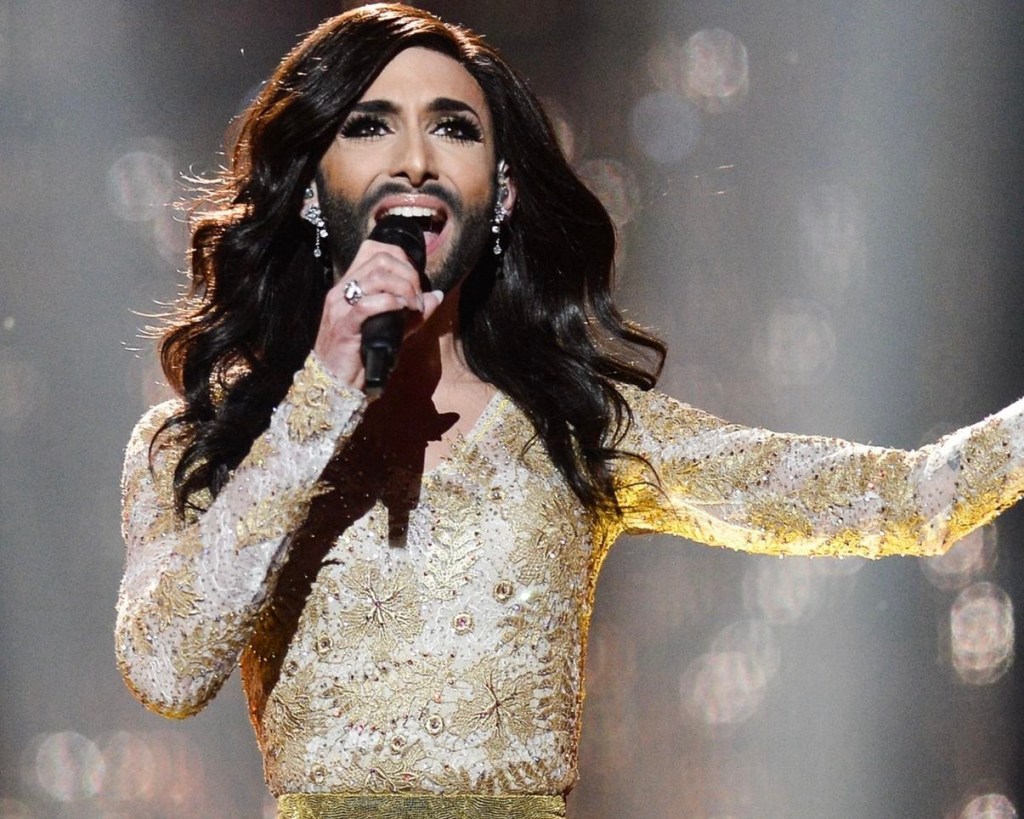
Songs like Rise Like a Phoenix by Conchita Wurst and Queen of Kings by Alessandra stand out as powerful examples of female empowerment in Eurovision. Conchita Wurst’s triumphant anthem celebrates resilience and transformation, urging listeners to rise above adversity and embrace their true selves with pride and confidence. With its powerful vocals and stirring message, Rise Like A Phoenix captured the hearts of audiences worldwide and sparked important conversations about acceptance and inclusivity.
Adding to the legacy of empowerment in Eurovision is Queen of Kings by Alessandra, representing Norway in 2022. With its empowering lyrics and anthemic melody, the song celebrates the triumph of the human spirit over adversity. Alessandra’s passionate vocals and dynamic performance bring the character to life, inspiring listeners to embrace their inner strength and courageously chart their own path.
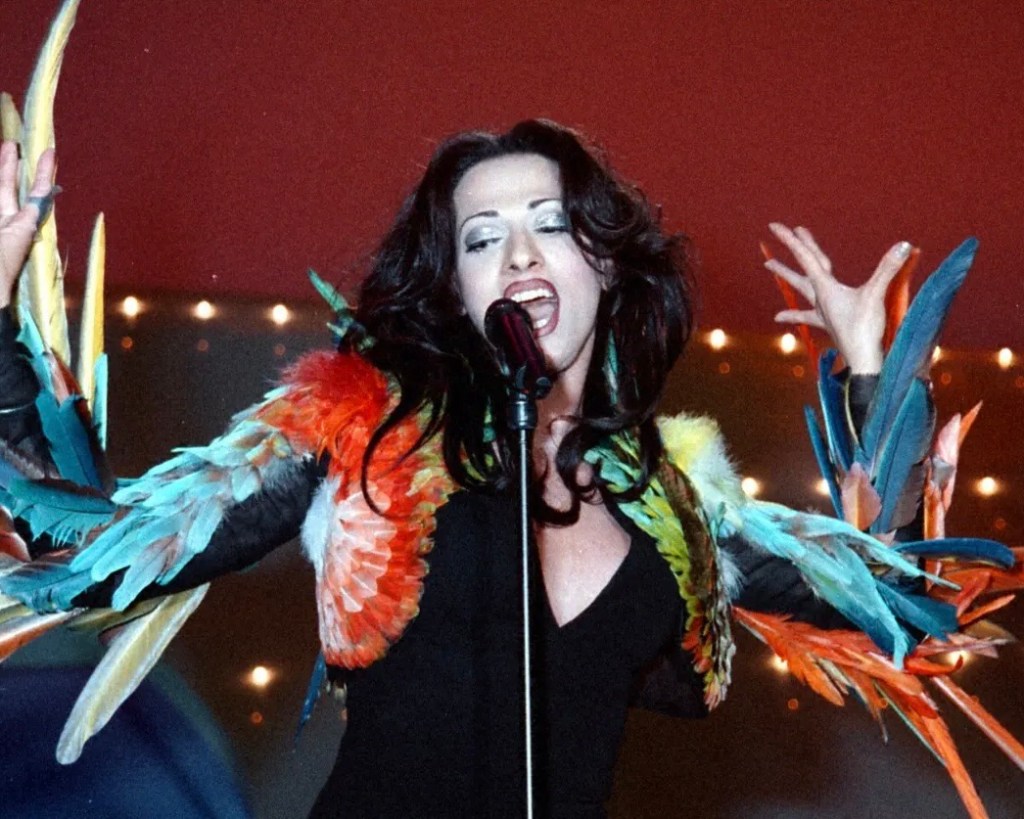
Dana International’s win in the Eurovision Song Contest 1998 with Diva marked a groundbreaking moment. As the first transgender winner, she challenged norms and advocated for LGBTQ+ visibility. Despite societal marginalization, Dana fearlessly embraced her identity and used her platform to inspire millions with her message of self-acceptance and empowerment. Her victory had a profound impact on Eurovision and beyond, sparking important conversations about gender identity, diversity, and inclusion.
In addition to the empowering messages conveyed by artists, Eurovision has seen the emergence of iconic songs that have left an indelible mark on audiences worldwide. These anthems, characterized by their infectious energy, memorable performances, and cultural significance, continue to resonate with fans long after the contest. Here are some examples that make you want to dance like there’s no tomorrow.
Wild Dances by Ruslana:
The winning entry for Ukraine in 2004, captivated audiences with its fusion of traditional Ukrainian folk music and modern pop elements. The song’s infectious rhythm and Ruslana’s powerful vocals propelled it to victory, solidifying its status as a Eurovision classic.
Düm Tek Tek by Hadise:
Representing Turkey in 2009, brought an irresistible blend of Eastern and Western influences to the stage. The song’s infectious melody and Hadise’s charismatic performance made it a fan favorite and left a lasting impact on Eurovision enthusiasts around the world.
Fuego by Eleni Foureira:
Winning second place in 2018, representing Cyprus, became an instant sensation with its electrifying beat and dynamic choreography. The song’s fiery energy and Eleni’s captivating stage presence earned it a place in Eurovision history as one of the most iconic entries of recent years.
SloMo by Chanel:
In 2022, SloMo finished 3rd place in the Grand Final. The audiences were captivated by its infectious beat and the dynamic performance. The amazing stage presence and Chanel’s vocals made it a standout entry that year, earning praise from fans and critics alike.
The legacy of female representation in Eurovision is one of resilience, empowerment, and groundbreaking achievements. From iconic winners like Celine Dion and Loreen to trailblazers like Dana International, women have left an indelible mark on the contest’s history, inspiring audiences with their talent and courage. As Eurovision continues to evolve, the enduring spirit of female performers will undoubtedly remain a beacon of empowerment and inclusivity, guiding the contest towards an even brighter and more diverse future.
 ROARA Magazine