In recent years, society has witnessed a remarkable shift in attitudes towards mental health. What was once shrouded in silence and stigma is now being openly discussed and recognized as a critical aspect of the overall well-being. We wanna talk about the significant changes that have taken place, highlighting the progress made in raising awareness, reducing stigma, and improving access to important mental health resources.
A crucial aspect of the mental health revolution has been the rise of awareness. Through powerful advocacy efforts, campaigns and personal stories shared by individuals, society has gained a better understanding of the complexities surrounding our mental well-being. Increased awareness has allowed us to recognize the issues as legitimate concerns that require attention and support.

One of the most known advocates is none other than Selena Gomez who has publicly shared her story and mental health journey. Watching her documentary “My Mind & Me” (available on Apple TV) you get a close look and deeper understanding about the challenges she had to face and the brutality of it taking place behind the curtains. Besides her documentary, Selena launched – with her beauty brand Rare Beauty – the Rare Impact Fund, raising money to expand access to mental health services and education for young people around the world whilst continuously reducing the stigma around it.
The stigma attached to mental health has long hindered progress in seeking help and finding acceptance. However, a wave of change has swept through our communities, fueled by courageous individuals sharing their experiences. The collective voice of those affected has successfully challenged misconceptions, fostering empathy and understanding instead of judgment and discrimination.
The media has played a pivotal role in transforming the narrative around mental health. Television shows, movies, and documentaries have depicted mental health issues with greater accuracy and compassion, portraying characters who grapple with their mental well-being. By shining a light on these stories, the media has helped normalize discussions around mental health, encouraging open conversations and reducing the sense of isolation.

The Netflix show “13 Reasons Why” uncovers the complex issues faced by today’s youth, including bullying, sexual assault, mental health struggles, and the consequences of seemingly insignificant actions. With its raw portrayal of sensitive themes, the show aims to spark conversations surrounding these important topics and create a greater understanding of the impact our actions can have on others. What a lot of people don’t know is that Selena Gomez was an executive producer on the show.
In this digital age, technology has emerged as a powerful force in promoting mental health awareness and providing access to resources. Online platforms like BetterHelp offer a wealth of information, self-help tools, and forums where individuals can find support and connect with others facing similar challenges. Furthermore, the advent of teletherapy platforms has made therapy more accessible, breaking down barriers such as geographical distance and financial constraints. Therapy in most countries is still not covered by insurance nor is it easily accessible which is a huge issue that needs to be taken more seriously by those in positions of power who can change it.
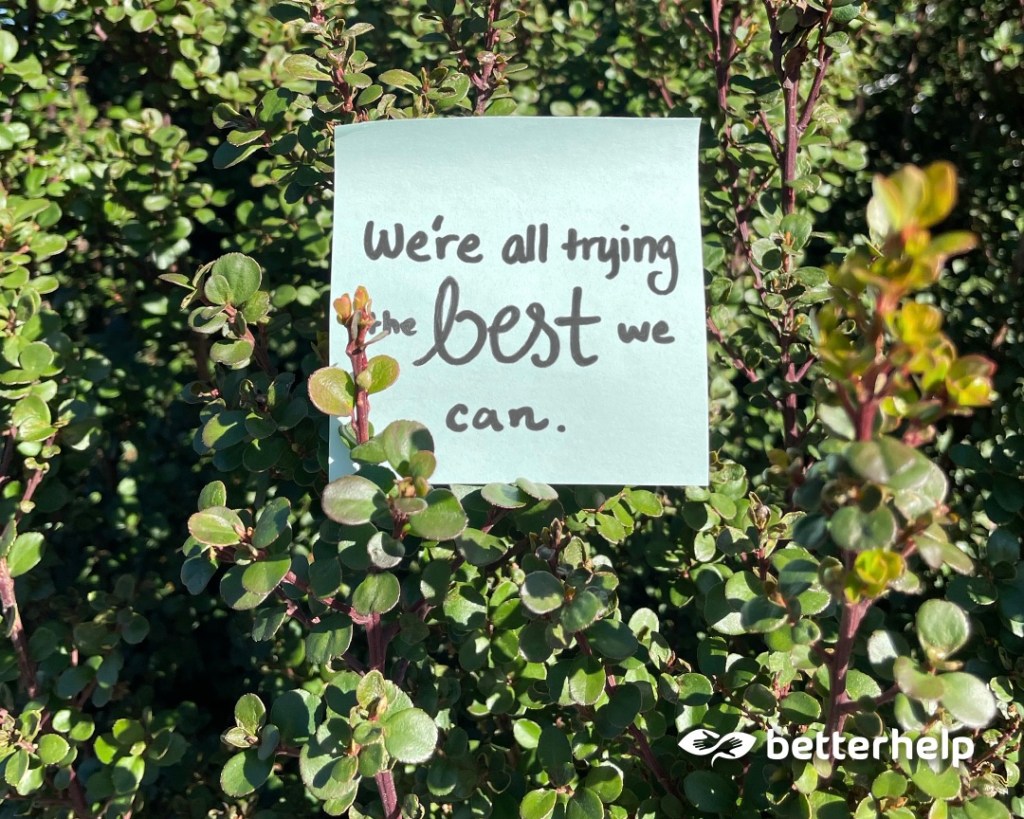
Communities have become a vital source of support for individuals grappling with mental health challenges. Peer support groups, both online and offline, provide safe spaces where individuals can connect, share experiences, and offer mutual support. These communities foster a sense of belonging and reduce the isolation often associated with mental health conditions.
The transformation of mental health awareness and access to help over the past few years has been nothing short of remarkable. Through increased awareness, reduced stigma, and the availability of important resources, society is gradually embracing mental health as an integral part of overall well-being. While there is still work to be done, the strides made are a testament to the collective efforts of individuals, organizations, and communities committed to eradicating the stigma surrounding mental health. By continuing to foster understanding, empathy, and access to help, we can create a future where mental well-being is prioritized and everyone has equal access to the support they need.
 ROARA Magazine