We have all seen them as kids, we have grown up with them and we still watch them today. I am talking about Disney classics. Princesses, heroes and adventurous kids who inspired us to chase our dreams. I’m pretty sure you had your own favorite Disney character growing up and maybe you wanted to be just like them. As kids, we might have not been as aware of the fact that the characters were predominantly white. In the most recent remakes of these classics this has been changed.

One of the most recent releases by Disney is Peter Pan & Wendy and this might be their most inclusive re-release yet. Peter Pan portrayed by a british actor with a mixed ethnicity, the character of Slightly was played by a boy who became the first actor with down syndrome who landed a major role in a Disney production. However, it does not stop there. Tinker Bell is portrayed by none other than Yara Shahidi, an incredible half African American/Choctaw half Iranian actress and inspiring activist. For Yara, it felt like “a chance to do something impactful while not losing the whimsy and the joy of the original fairy tale”.
And while she has beautifully represented her roots as Tinker Bell, her Grown-ish co-star and singer-songwriter Halle Bailey landed the role of Ariel in The Little Mermaid. But unfortunately, the highly anticipated remake has caused heated discussions on social media. Why? Because Ariel is no longer a white girl with bright red hair. After the move trailer was released, people on the internet lost their minds – some in a good and some in a bad way.
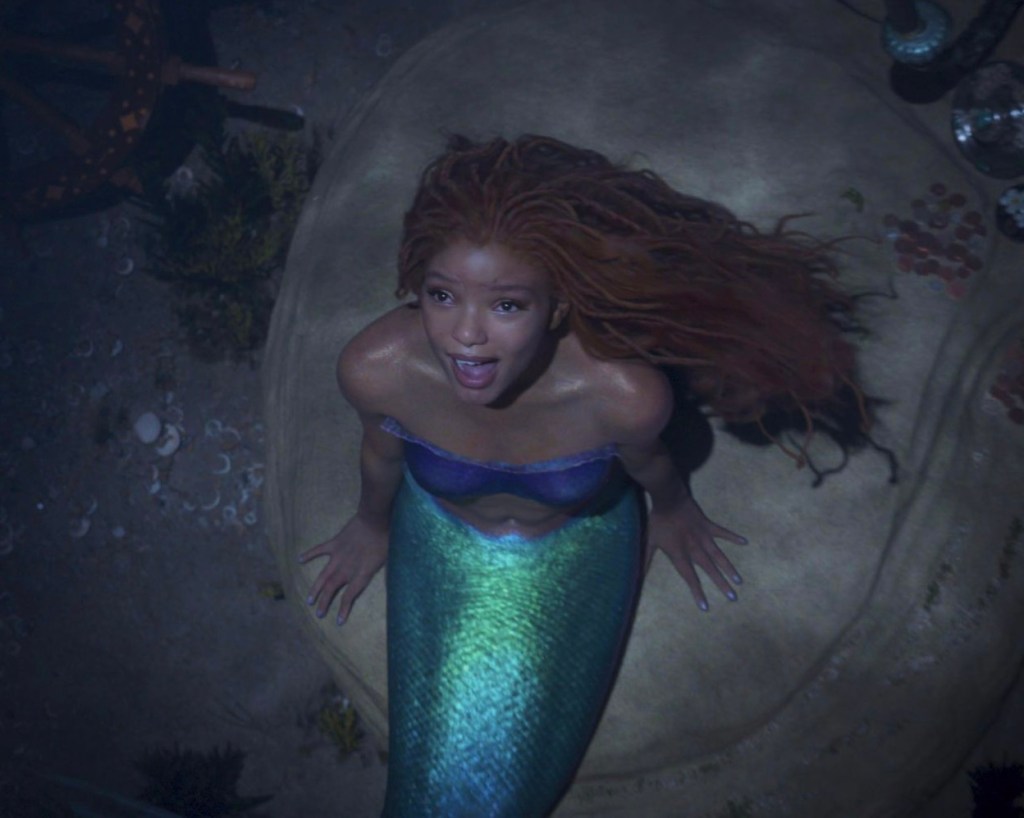
On one side there were those who were not supportive and made racist remarks about the casting decision. On the other side, parents uploaded the most heartwarming videos of their black children reacting to the trailer. Kids were in awe, screaming at the top of their lungs out of excitement because they were represented in a Disney movie for the first time. A princess that looked like them. A black woman who had a leading role. A “real” black princess.
Representation is so important for any age and – even though children and young people profit from it the most – it also comforts adults, no matter if you are part of a minority or not. It is amazing to see that Disney is finally starting to be more inclusive. Is it a bit late, considering that we are in 2023? Maybe. However, Disney has always been criticized for being rather conservative. So we will gladly welcome Disney’s new inclusivity and hope that it continues and expands with more minorities being represented.
 ROARA Magazine